
Daily Cargo News - The Bradfield Bulletin
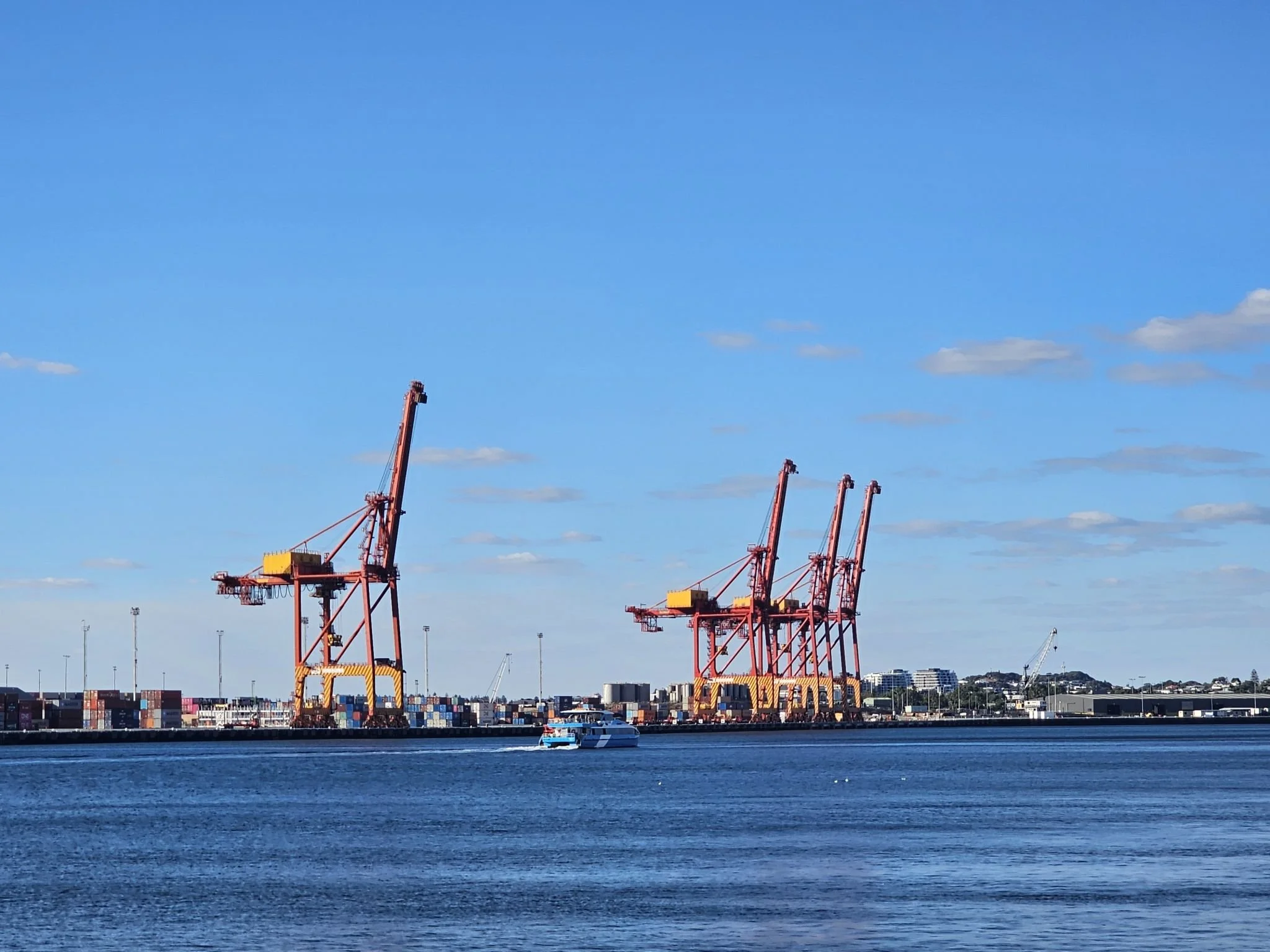
Walking through Fremantle this week, I couldn’t help but feel a sense of contrast. It wasn’t anything in particular, just one of those moments where you pause and take in your surroundings.
What struck me was how distant our everyday lives can feel from the realities unfolding in the Middle East. It’s easy to go about our routines and forget that, elsewhere, millions of people are living with uncertainty, fear, and the daily impacts of conflict.
That disconnect is striking, and worth acknowledging.
Shipping Containers for Hire or Sale: Flexible Storage Solutions
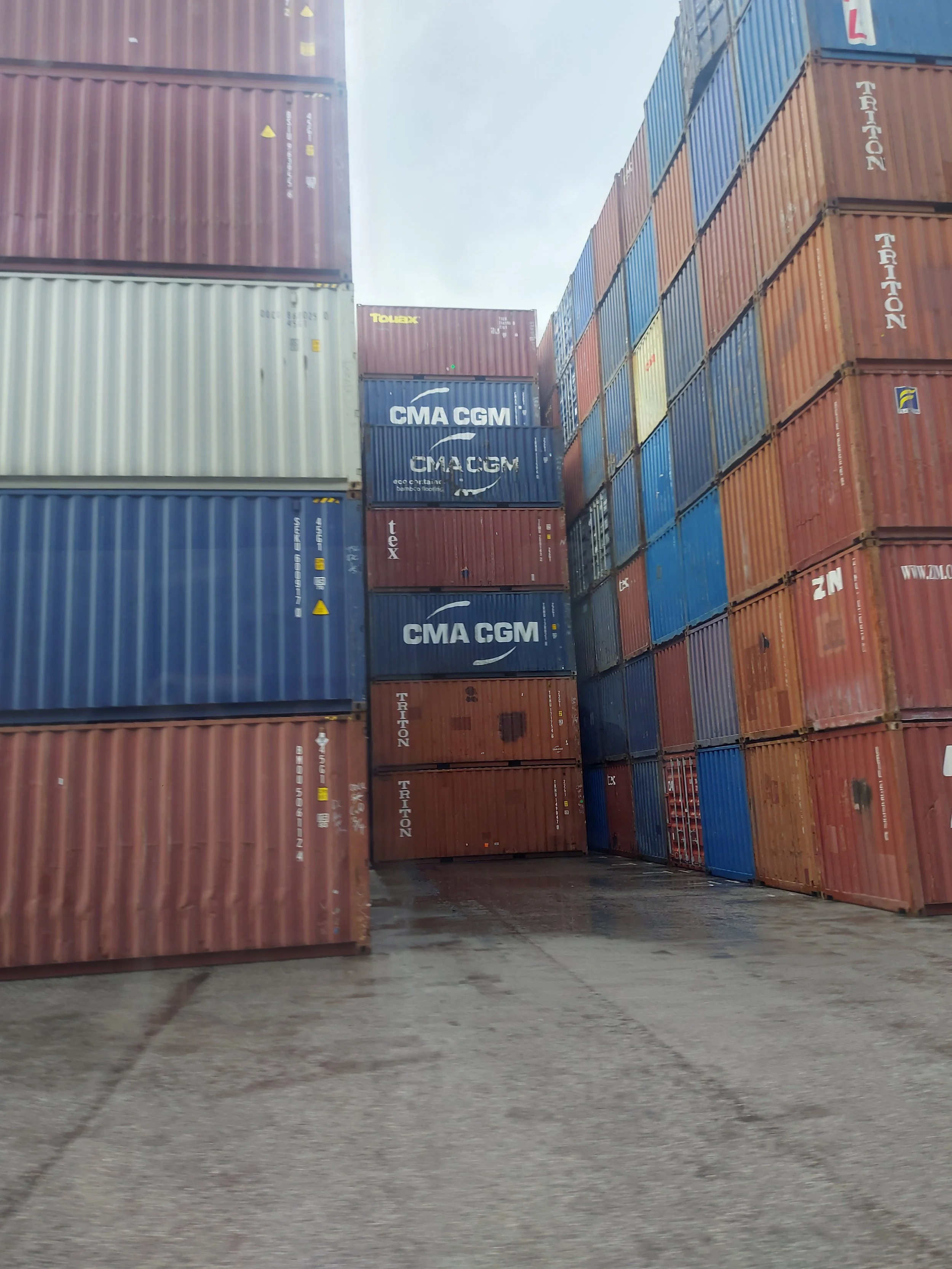
Shipping containers are widely known for transporting goods across the globe, but their use extends far beyond international shipping. Today, shipping containers are commonly used for secure storage, construction sites, business overflow storage, and temporary infrastructure.
Rising Fuel Prices and the Impact on Freight Forwarding
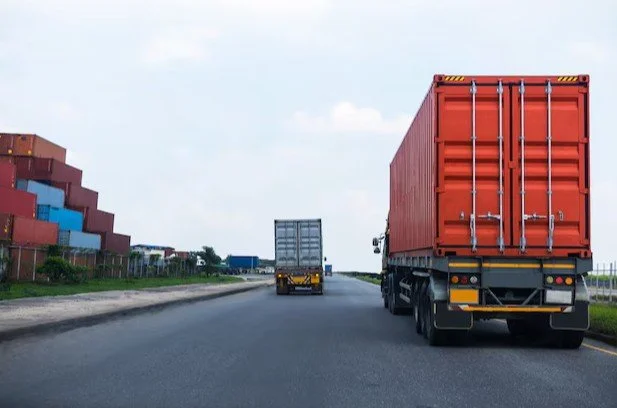
The ongoing conflict in the Middle East is sending ripple effects through fuel markets, with diesel prices in Australia surging dramatically over the past week. According to the Australian Institute of Petroleum, Terminal Gate Prices for diesel increased by nearly 30% across major cities, including Perth, Sydney, Melbourne, Brisbane, and Adelaide.
Strait of Hormuz Closure Sends Ripples Through Global Container Supply Chains
The closure of the Strait of Hormuz is sending ripple effects through global container supply chains, forcing carriers to divert cargo to alternative ports such as Khawr Fakkan, Mundra, and Hambantota. This surge in diverted shipments is creating operational pressure across the region, highlighting the importance of flexible freight forwarding strategies and alternative shipping routes for global exporters and importers.
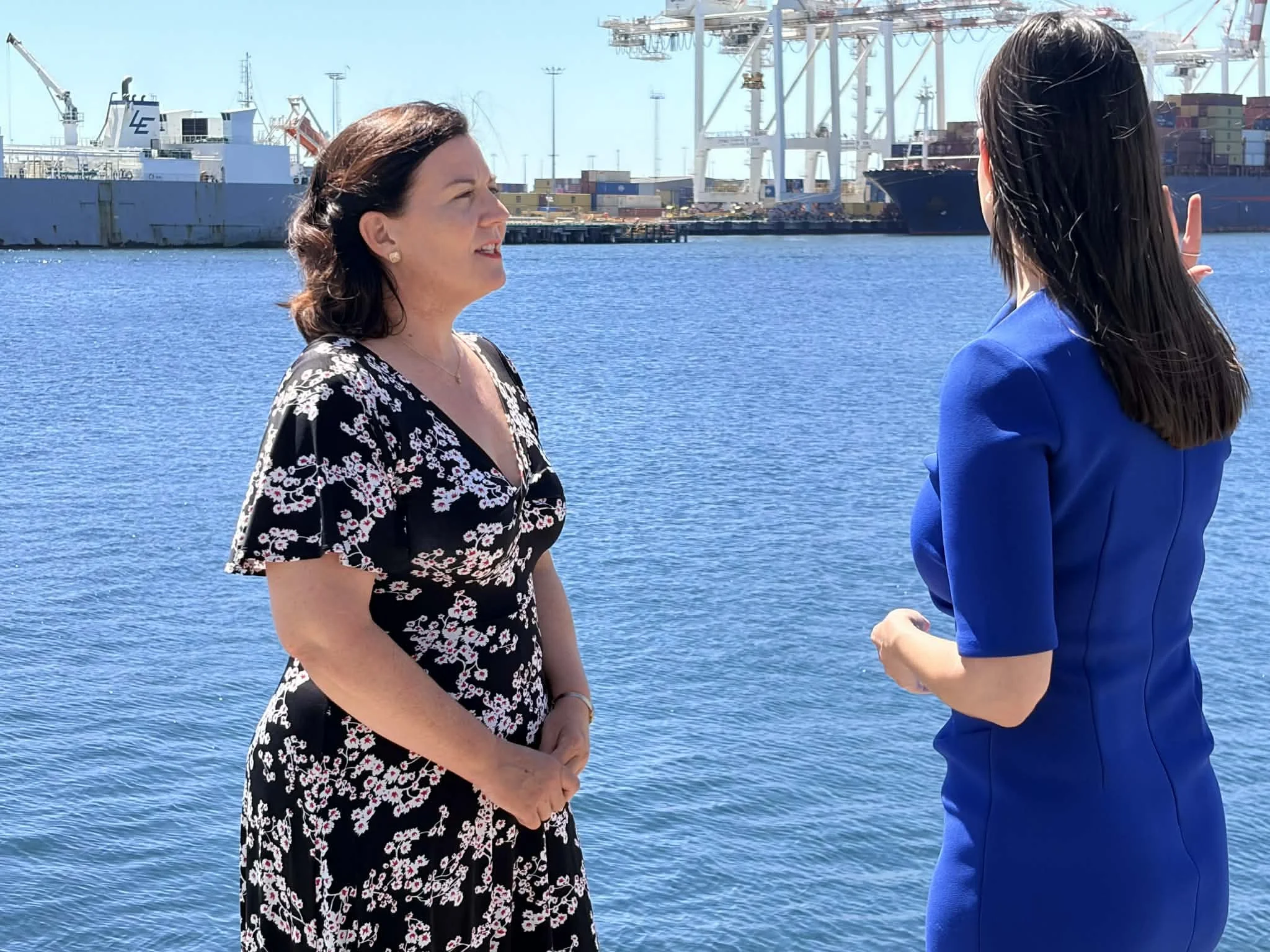
Bringing Shipping Into the Spotlight: Talking Global Disruption in the Media
This week I spoke with ABC Radio Perth and Nine News about how escalating tensions in the Middle East are affecting global shipping, and what it means for Australian businesses.
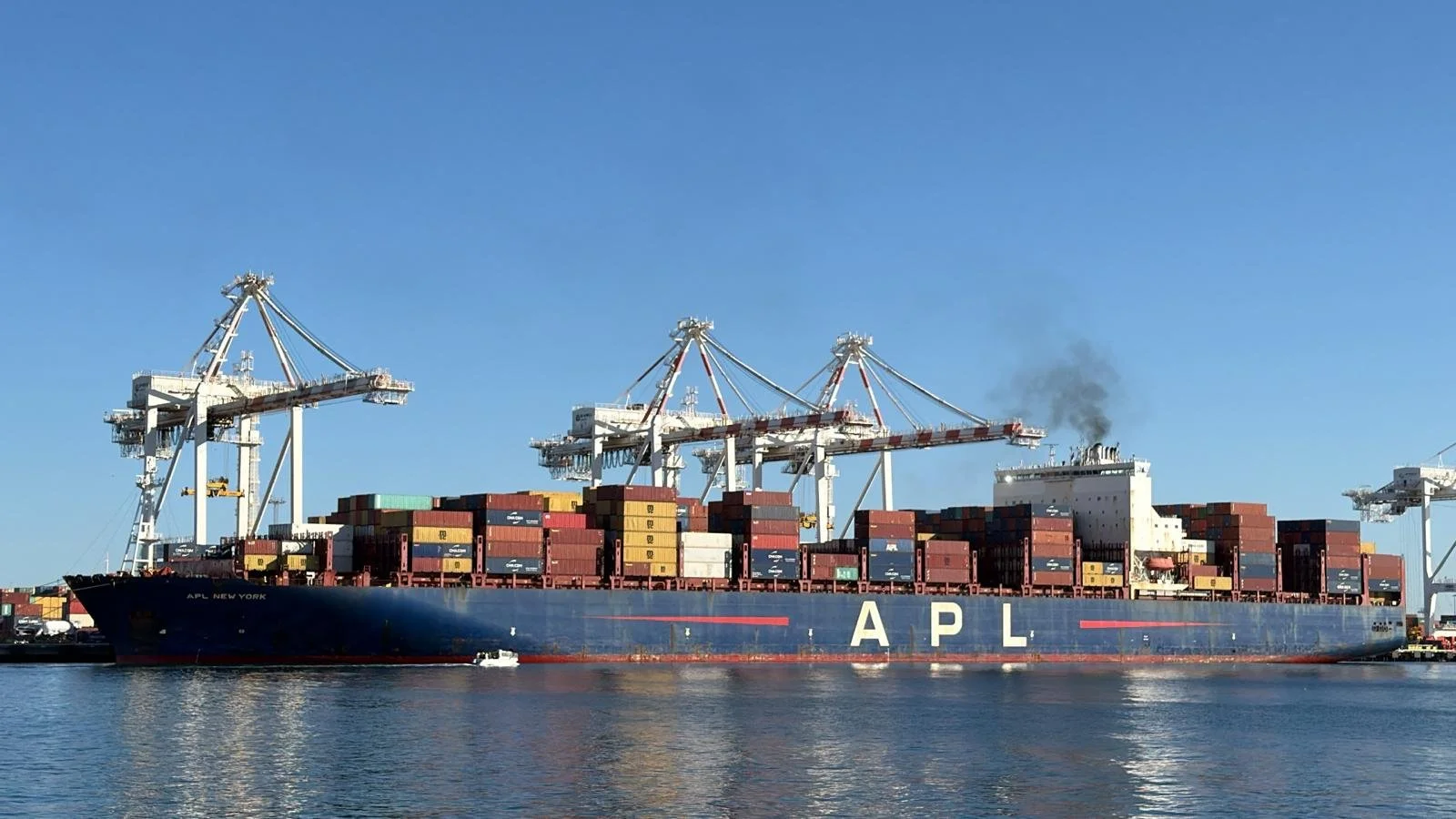
Daily Cargo News - The Bradfield Bulletin
Check out what you might have missed from this week’s shipping news here .. Week ending 06/03/26
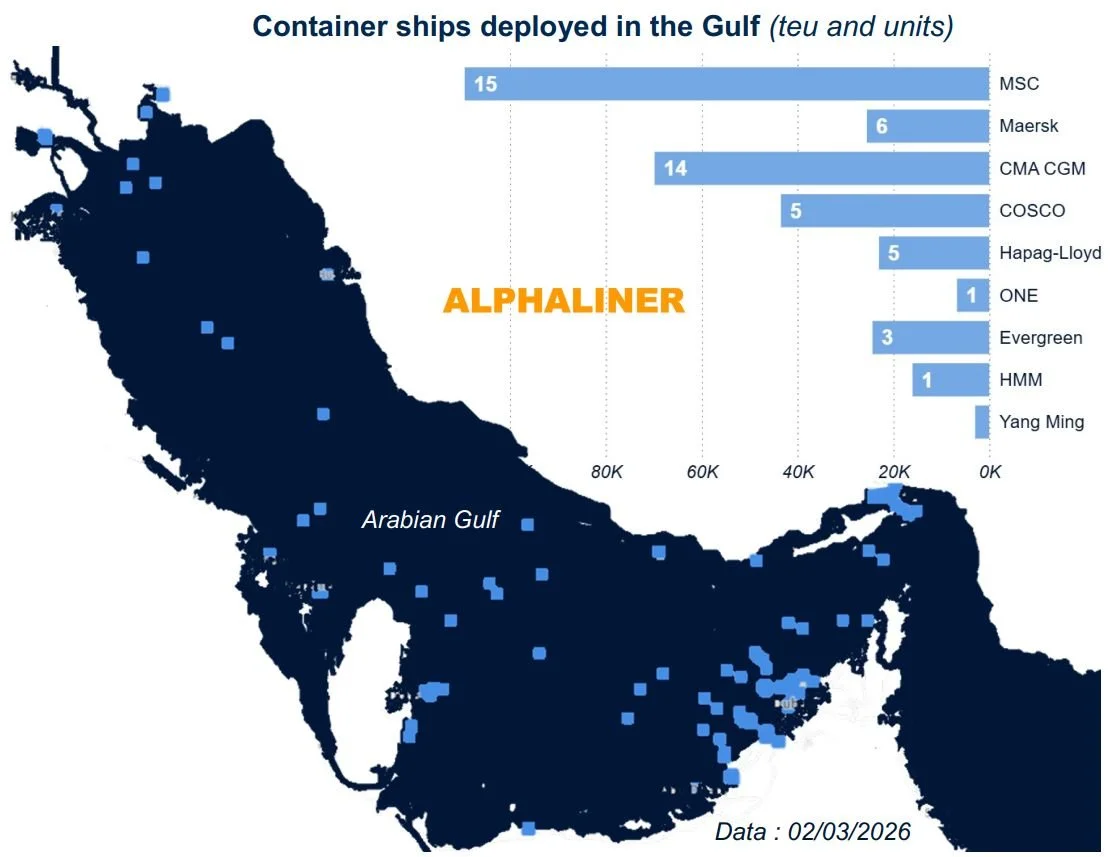
The Numbers Behind the Current Shipping Disruption
Shipping disruptions are often discussed in headlines, but the numbers reveal the real scale. Hundreds of vessels, billions in cargo, and thousands of seafarers are now caught up in the growing disruption across the Middle East.
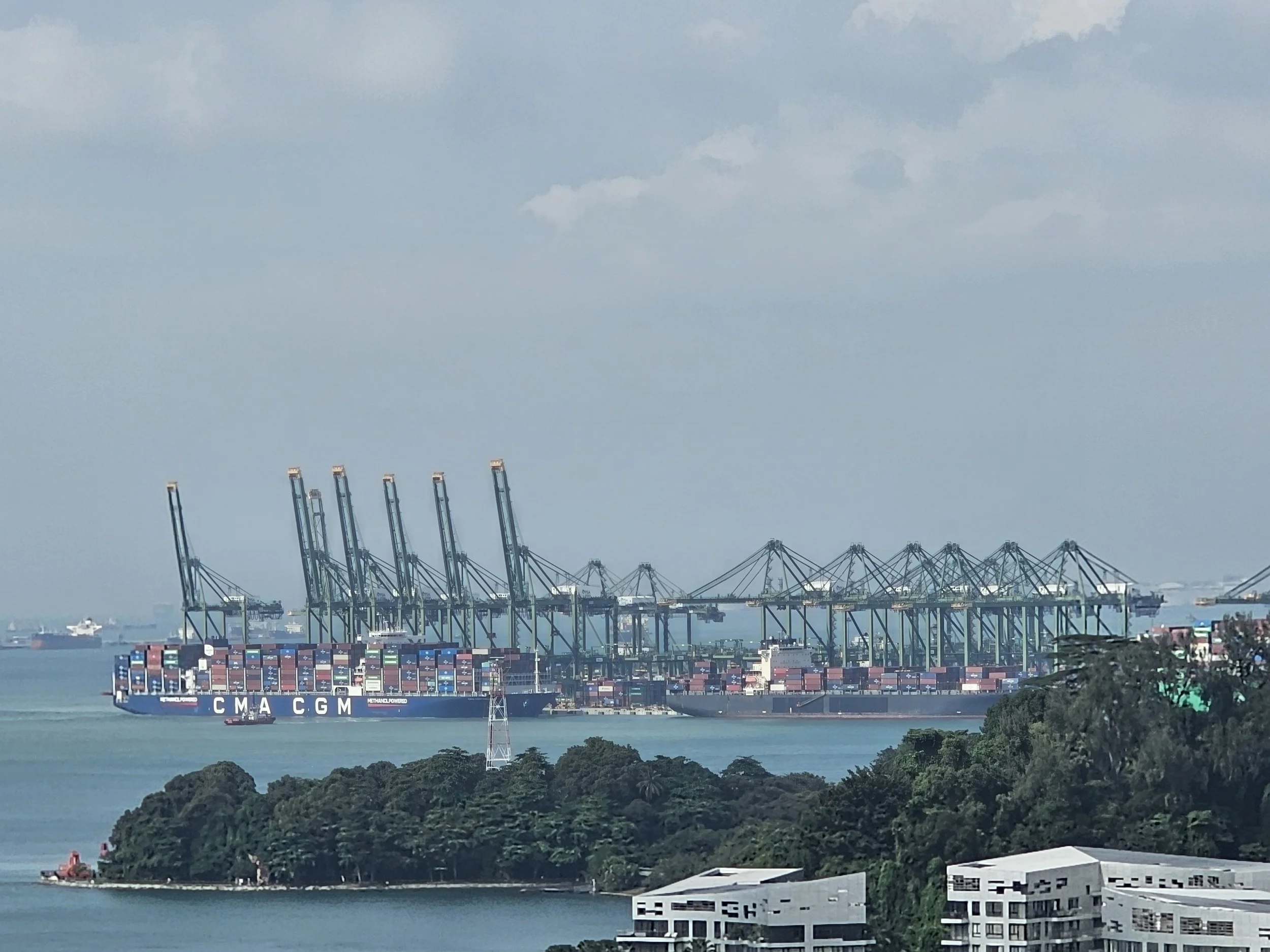
When Geopolitics Erases Capacity
What began as a year preparing for too much container capacity has quickly shifted. As tensions rise in the Middle East, vessels are rerouting, insurers are withdrawing cover, and global supply chains are once again adjusting in real time.
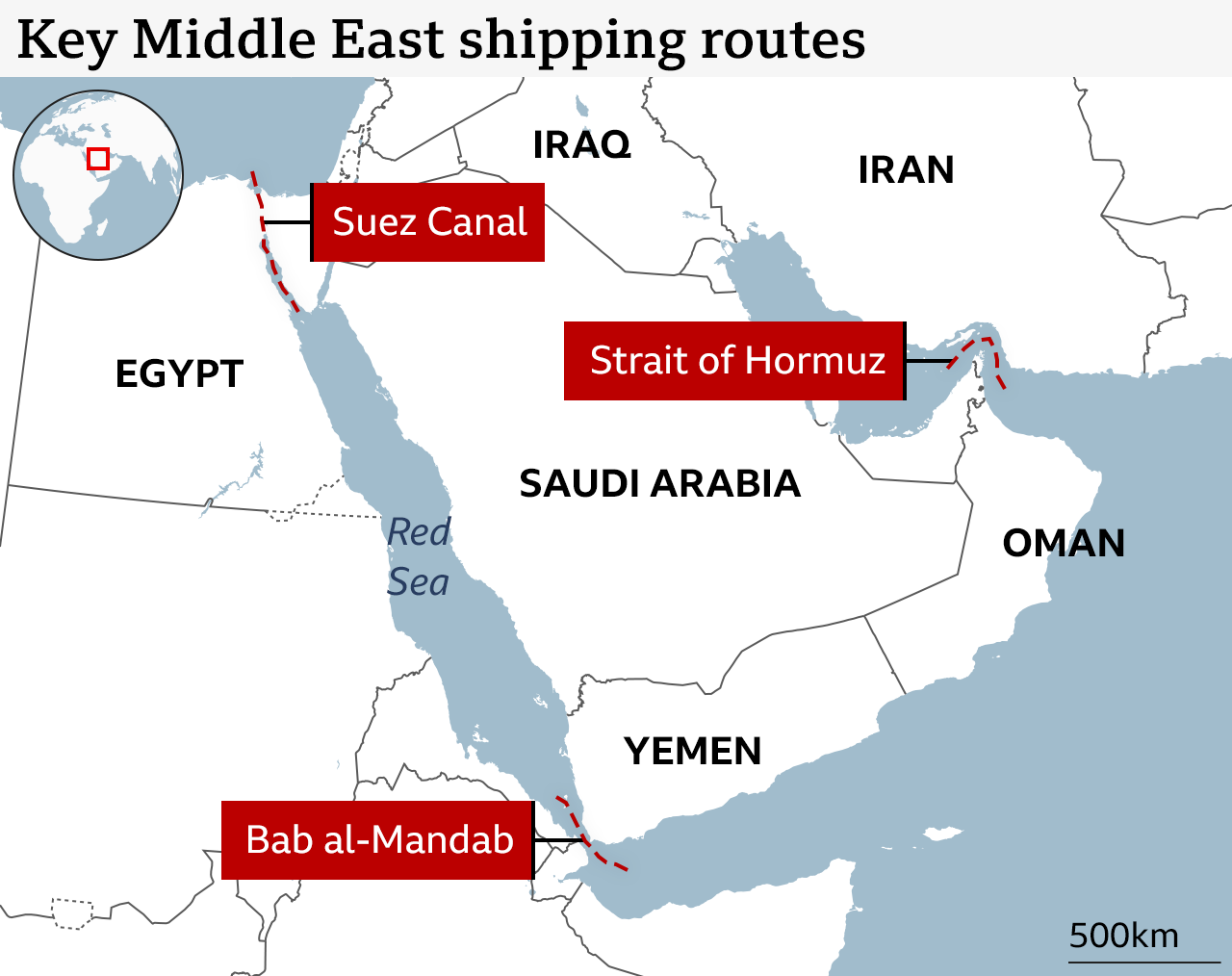
When Global Trade Pauses
Over the past few days, global shipping has been shaken by a rapid escalation in the Middle East. As tensions rose, vessels slowed, stopped, or turned back, not always under instruction, but out of caution.
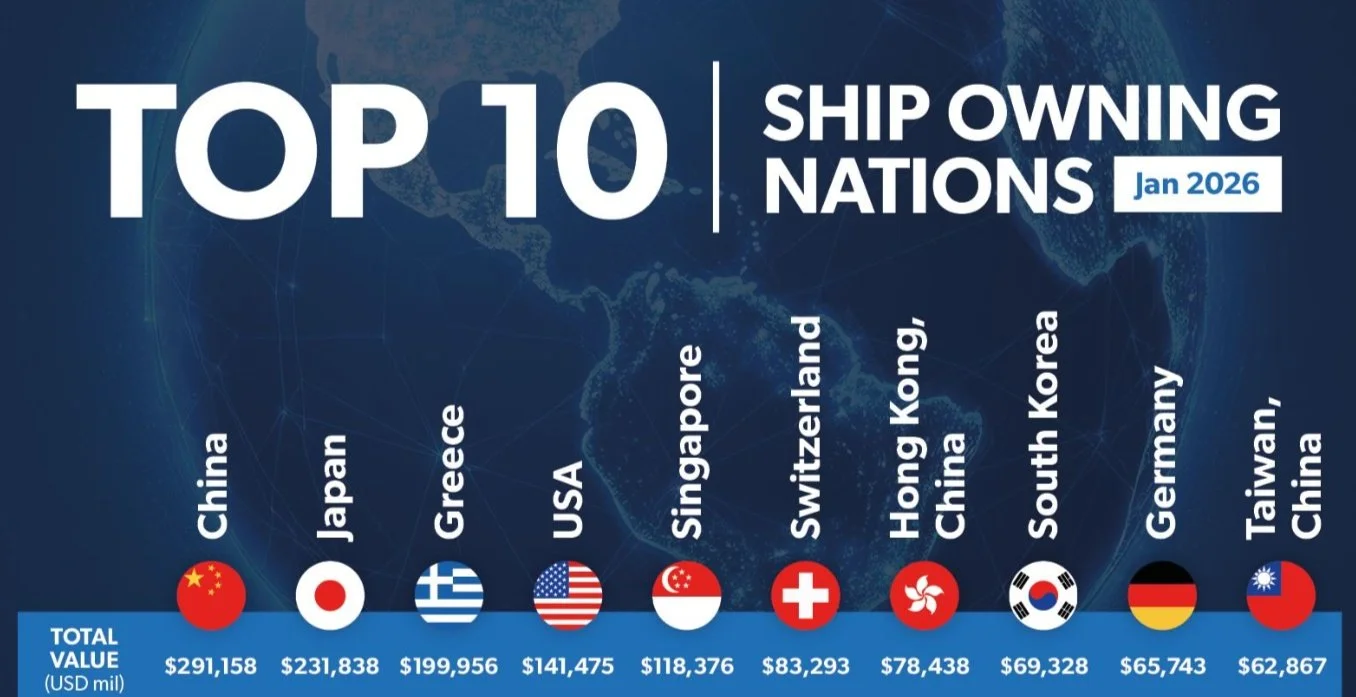
Switzerland’s Rising Influence in Global Ship Ownership
New Veson Nautical rankings place Switzerland sixth globally for ship ownership, reflecting sharp fleet value growth tied to MSC’s continued acquisitions and newbuild orders. The shift underscores how ownership power is concentrating and influencing trade lanes well beyond national borders.
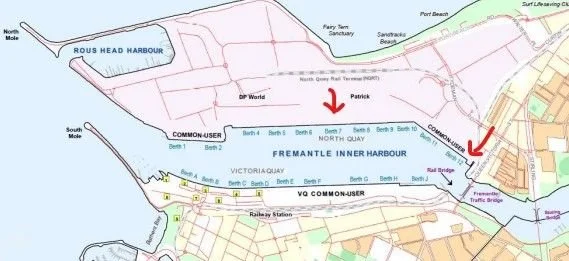
Fremantle Ports: Upcoming Berth Maintenance in the Inner Harbour
Fremantle Ports has scheduled essential Inner Harbour maintenance over the coming months, which may affect vessel scheduling and processing times. Container Berth 7 will undergo works from 26 Feb to 10 Mar 2026, followed by Common User Berth 12 closures from 15 to 24 Apr 2026.
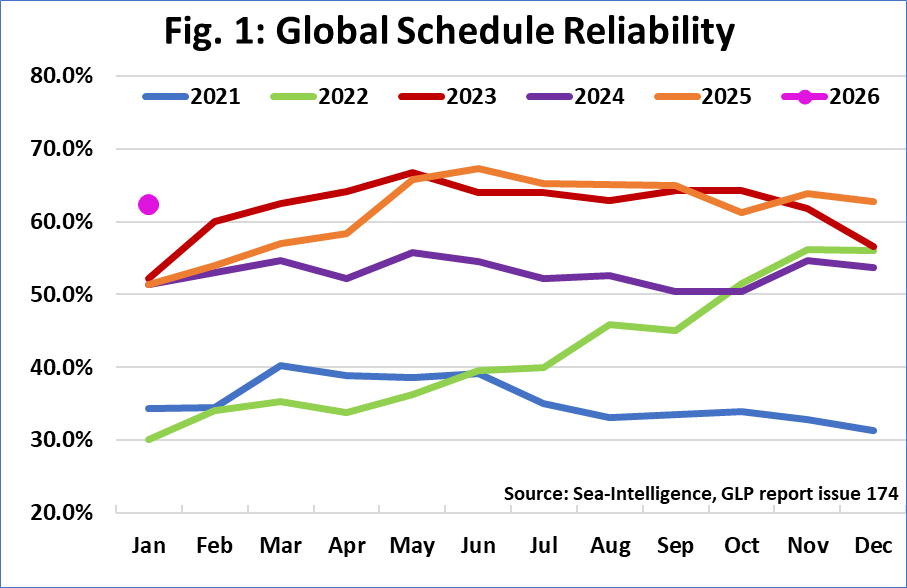
Global schedule reliability rises, yet cargo delays remain
January global schedule reliability rose to 62.4%, the strongest result seen since 2021. But average delays worsened to just over five days, so late vessels are still causing real cargo disruption.

Just in Time or Just in Case? How Importers Are Managing Inventory Today
Importers are splitting between “just in time” and “just in case” stocking. Each has trade-offs, and the right choice depends on the commodity. The goal is the same: keep product available without tying up too much cash.
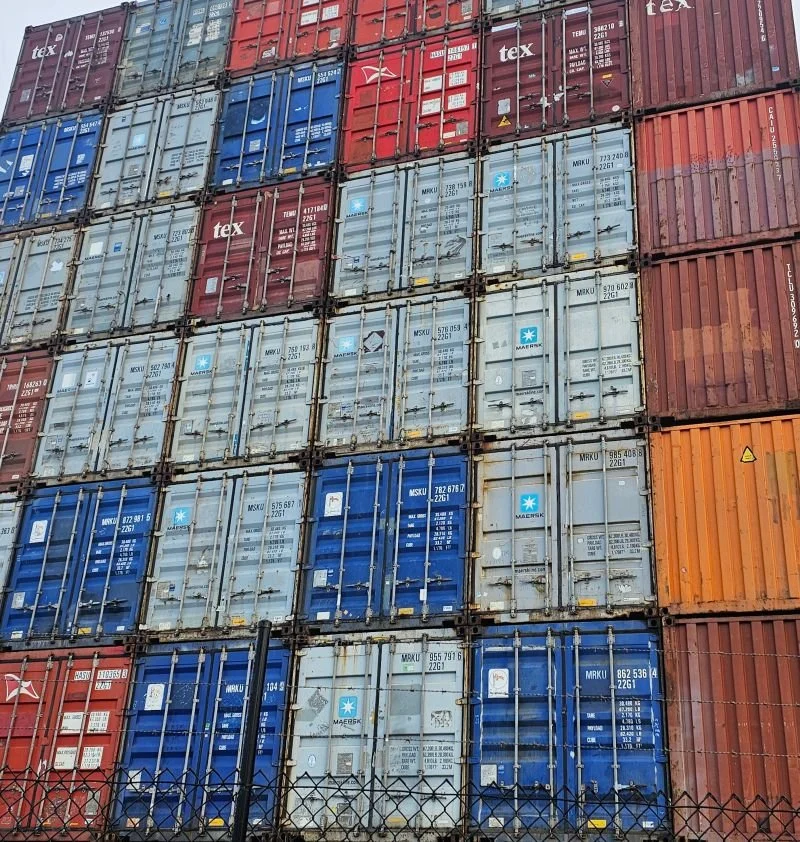
Containers, Trade Deals, and India's Growing Role in Global Shipping
India is making a serious play for a bigger role in global shipping — from a proposed US$1.2b push into container manufacturing to a major EU trade deal that could reshape flows over the next decade.
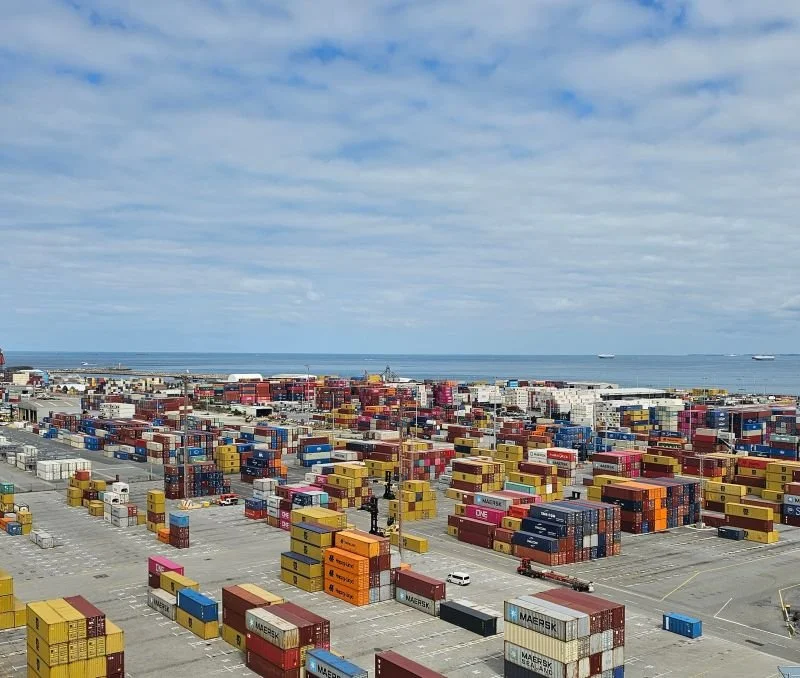
New IMO Rules Take Effect: Why Container Loss Reporting Matters
New IMO rules are now in force, spanning safety, fuels, navigation, and crew requirements. Among them is a key update: mandatory reporting of containers lost overboard, ensuring faster hazard alerts and better data to prevent future incidents.
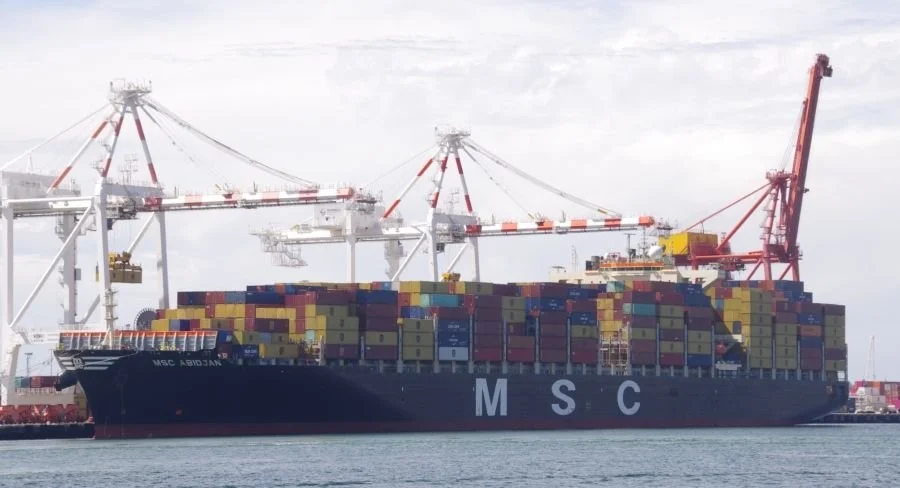
A Billion TEU and Counting: What 2025 Revealed About Global Container Trade
Linerlytica reports that 2025 global volumes exceeded one billion TEU, with China and Hong Kong handling around 400 million TEU. With fleet capacity now above 33 million TEU and MSC adding 830,000 TEU in 2025 alone, the key question heading into 2026 is how the industry maintains supply–demand balance.
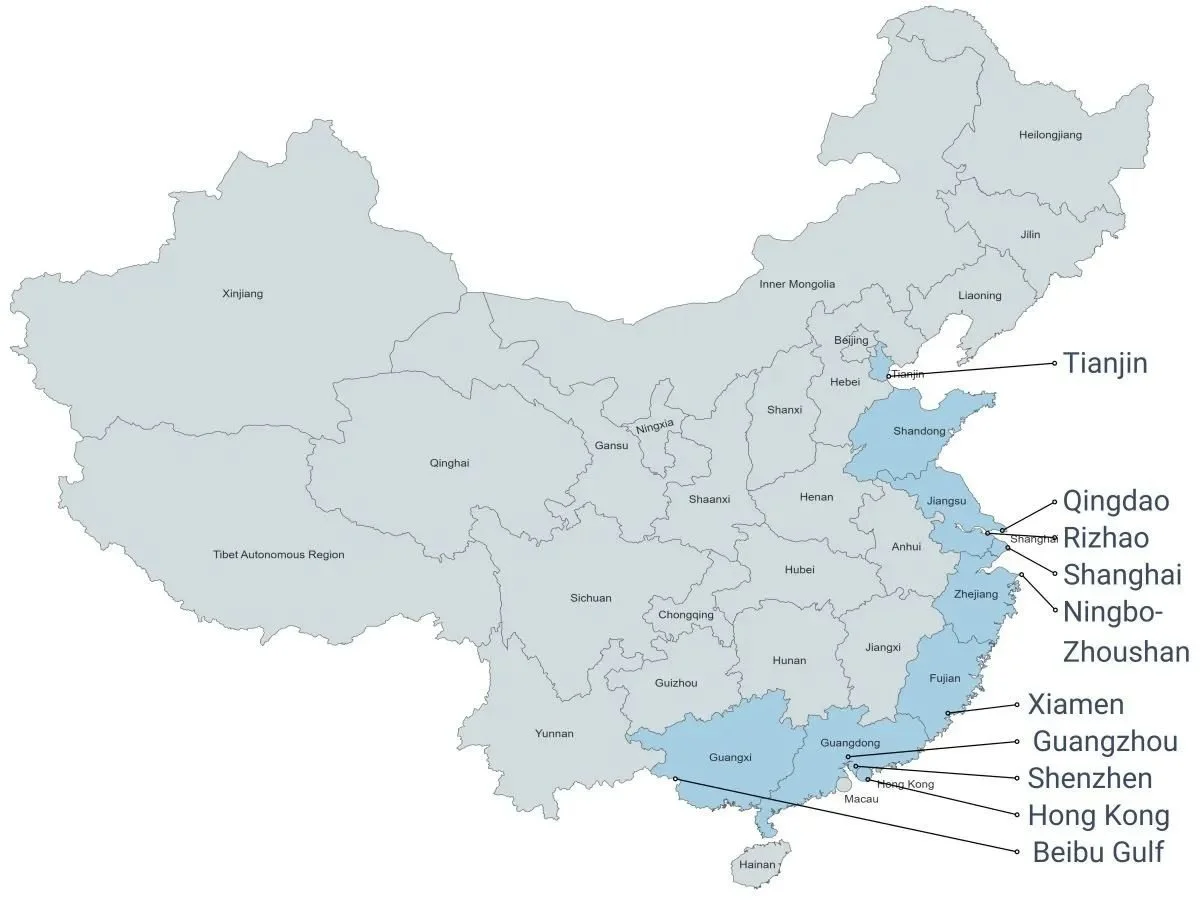
Shanghai’s Throughput Growth Highlights Where Real Supply Chain Risk Sits
Shanghai’s strong TEU growth in 2025 highlights how container networks continue to rely on a small number of critical hub ports. Heading into 2026, reassessing port dependence and alternative routings is becoming just as important as diversifying manufacturing.
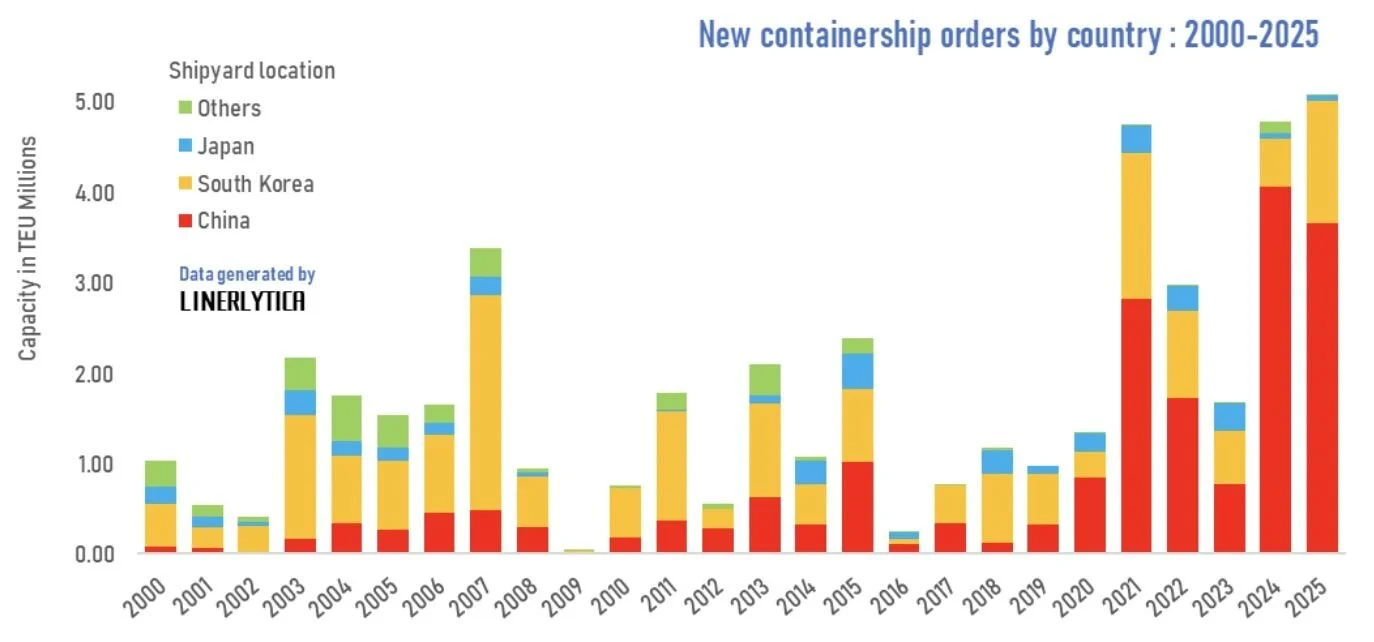
Container Ship Ordering Reaches Record Levels in 2025
Linerlytica reports 5.08m TEU of new container ship orders in 2025, surpassing previous peaks. BIMCO warns the orderbook now equals 33% of the existing fleet, while others argue the wave reflects investment in adaptability as trade routes and regulations grow more complex.
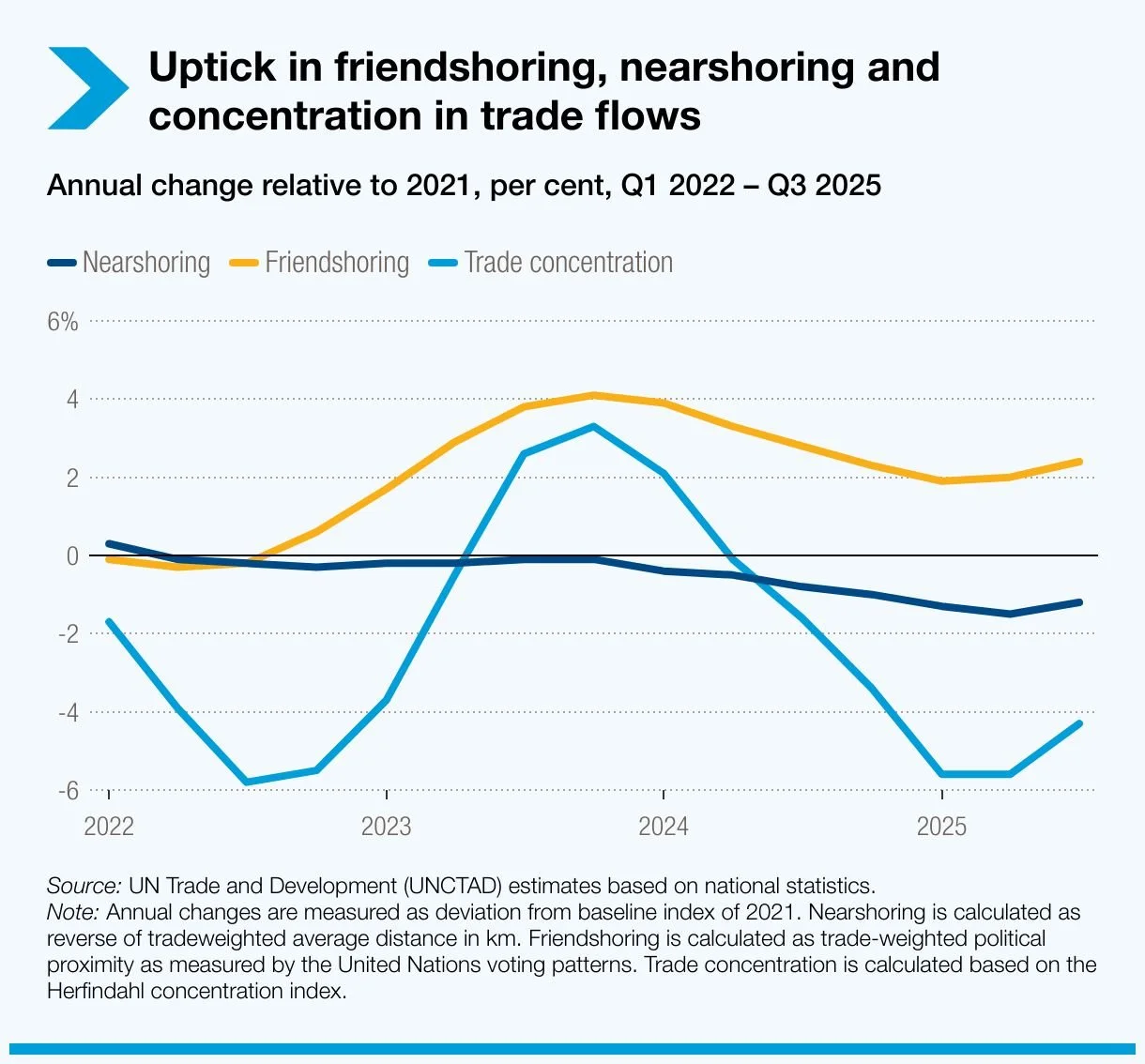
Global Trade Set to Exceed US$35 Trillion in 2025 as Shipping Remains a Key Driver
UNCTAD’s latest update points to 7% global trade growth in 2025, led by East Asia and strong South–South trade. With services rising and manufacturing still driving momentum, the outlook for 2026 is steady demand — but tighter margins as costs and debt pressures build.