
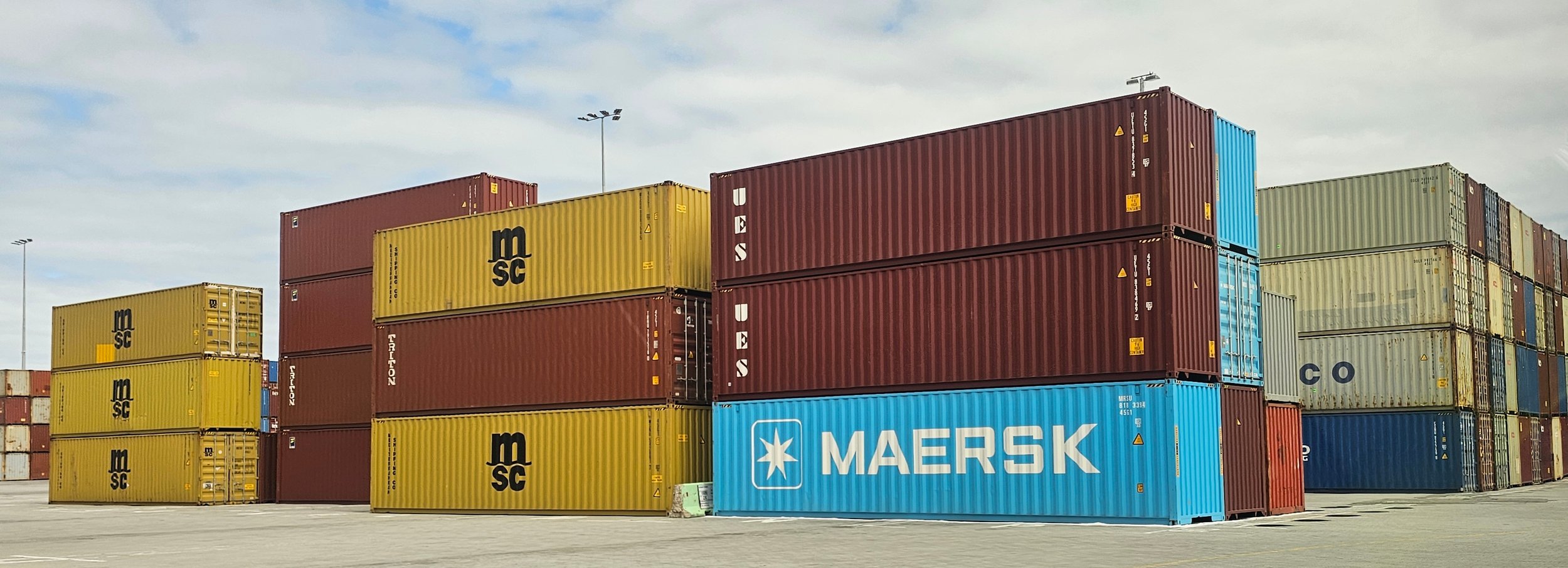
Patrick Fremantle - Authorised MUA Stop Work Meeting 6th October 2026
Please be advised that an authorised MUA Stop Work Meeting will take place at Patrick Fremantle Terminal on Tuesday, 6th October 2026, from 1400 to 1600 hrs.
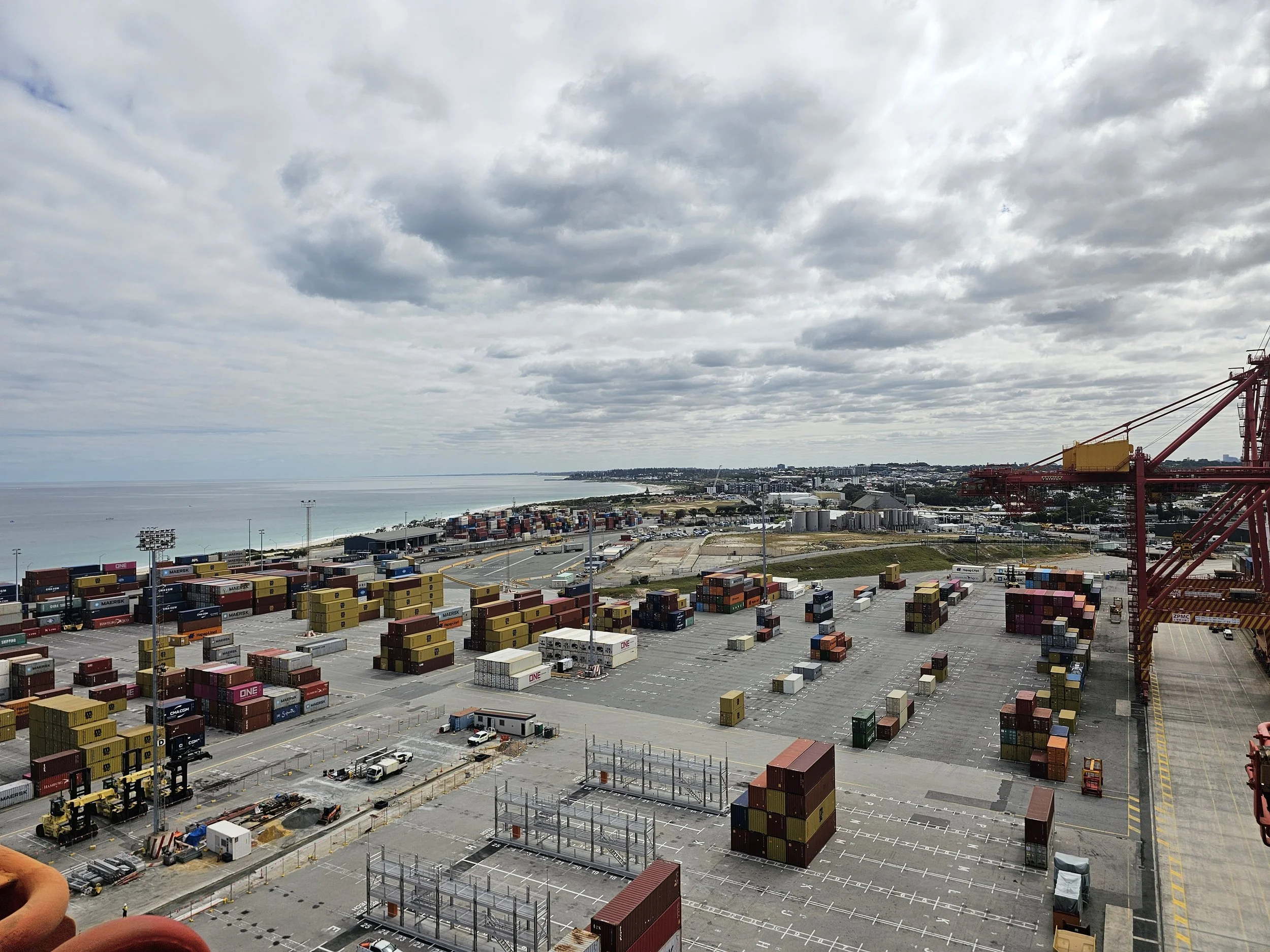
Global Growth Remains Resilient, but Risks Persist
Global growth has proved more resilient than expected in 2026, but geopolitical tensions, energy prices, inflation and higher interest rates continue to create uncertainty. For Australian importers and exporters, these global economic shifts can quickly flow through to trade, freight costs and supply chain conditions.
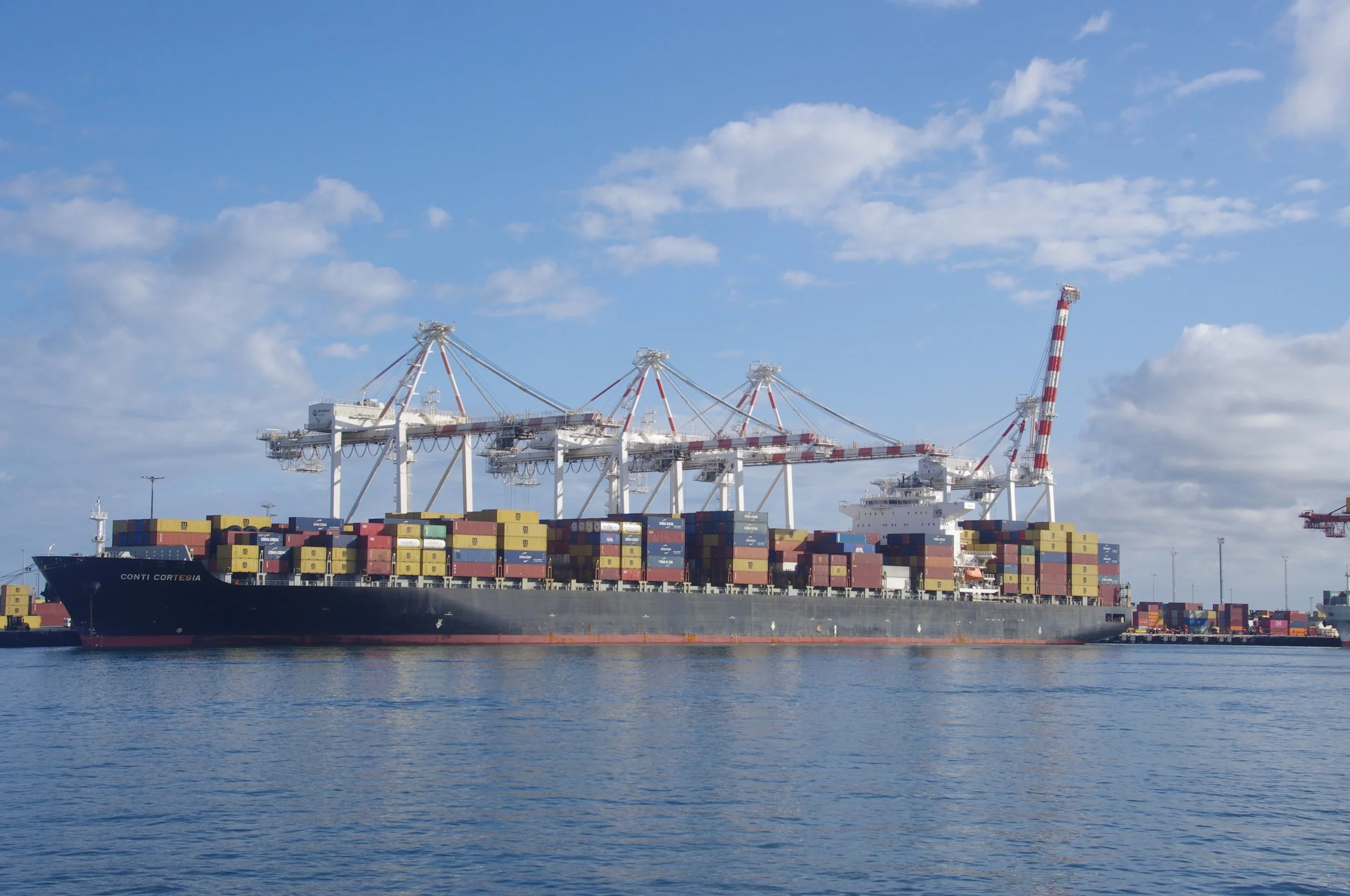
Asia’s Container Congestion Could Last Well Into 2027
Asia’s container congestion is looking increasingly difficult to unwind, with around 3 million TEU of vessel capacity currently tied up by delays. As freight rates rise and Golden Week adds further pressure, Australian importers could continue to feel the effects well into 2027.
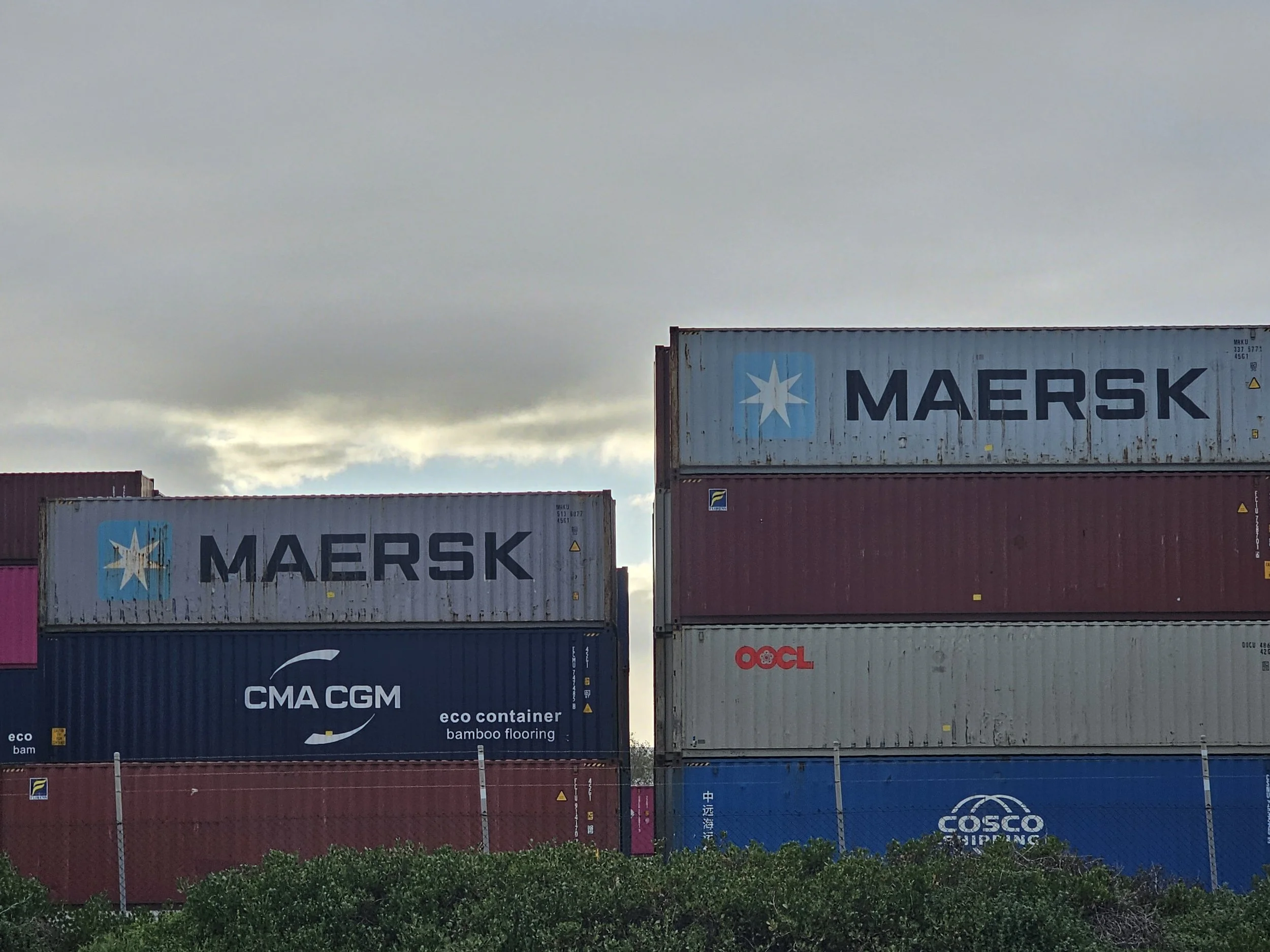
Patrick Fremantle - Changes to Import Container Collections
Patrick Fremantle container collections are changing. New terminal arrangements may affect how quickly containers can be accessed and delivered, even once they show as available. If you have a time-critical delivery, please let us know as early as possible so we can plan accordingly.

China Holidays: The Countdown Is Over
China’s holiday period starts tomorrow, and for importers, the time to plan is now. With vessel schedules already sliding, blank sailings being announced and delays expected, here’s what to expect over the coming weeks, and what you can still do to avoid unnecessary delays.
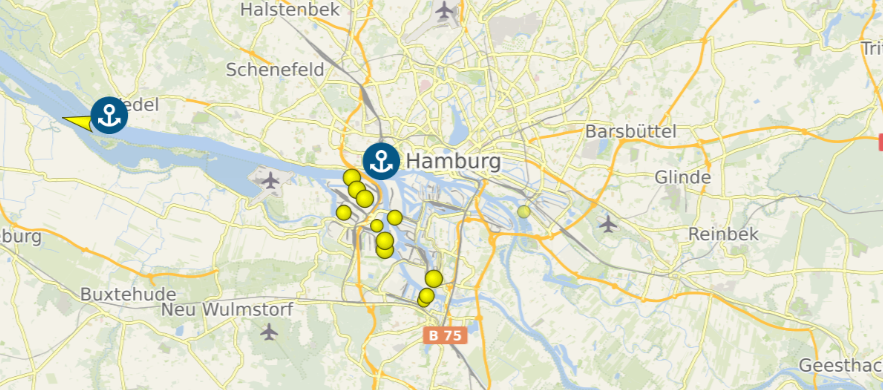
German Ports Could Face Indefinite Strike Action
Germany’s major ports could be facing further disruption, with port workers now voting on whether to authorise indefinite strike action. With Hamburg, Bremerhaven and other key ports already under pressure, Australian importers and exporters with cargo moving through Northern Europe should be keeping a close eye on developments.
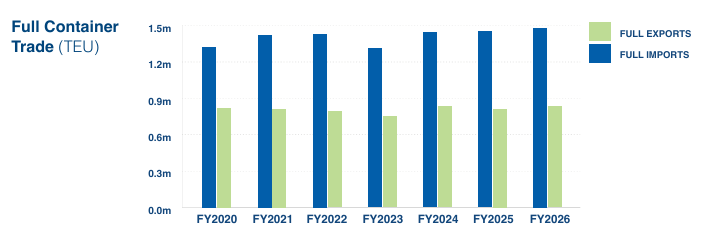
Victoria’s Trade Hits a New Record
Port of Melbourne has recorded a second consecutive year of record container trade, handling 3.52 million TEU in FY2026. But beyond the numbers, changing import and export patterns are revealing how Victoria’s economy is adapting to a shifting global trade environment.
Services Are Reshaping Global Trade
Global trade is no longer just about moving physical goods. Services now account for 71% of global intermediate inputs, while digitally deliverable services continue to grow rapidly. But not all countries are benefiting equally, with significant digital infrastructure, skills and connectivity gaps holding some economies back.
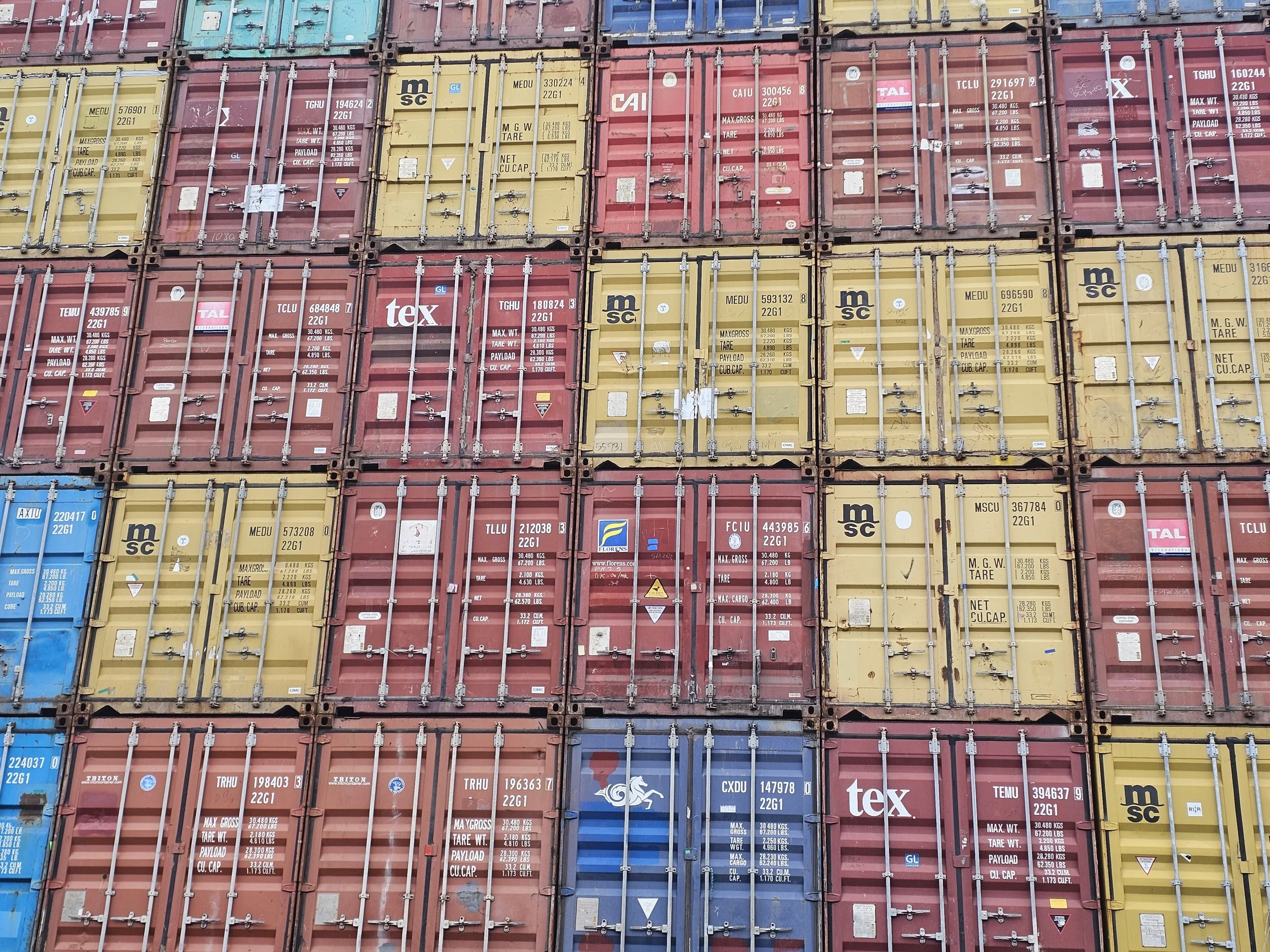
How Does a Shipping Container Get Its Number?
Ever wondered what all those letters and numbers on a shipping container actually mean? From the owner code and serial number to the check digit and size/type code, every part of a container’s markings has a purpose. Here’s how the international container identification system helps keep freight moving around the world.
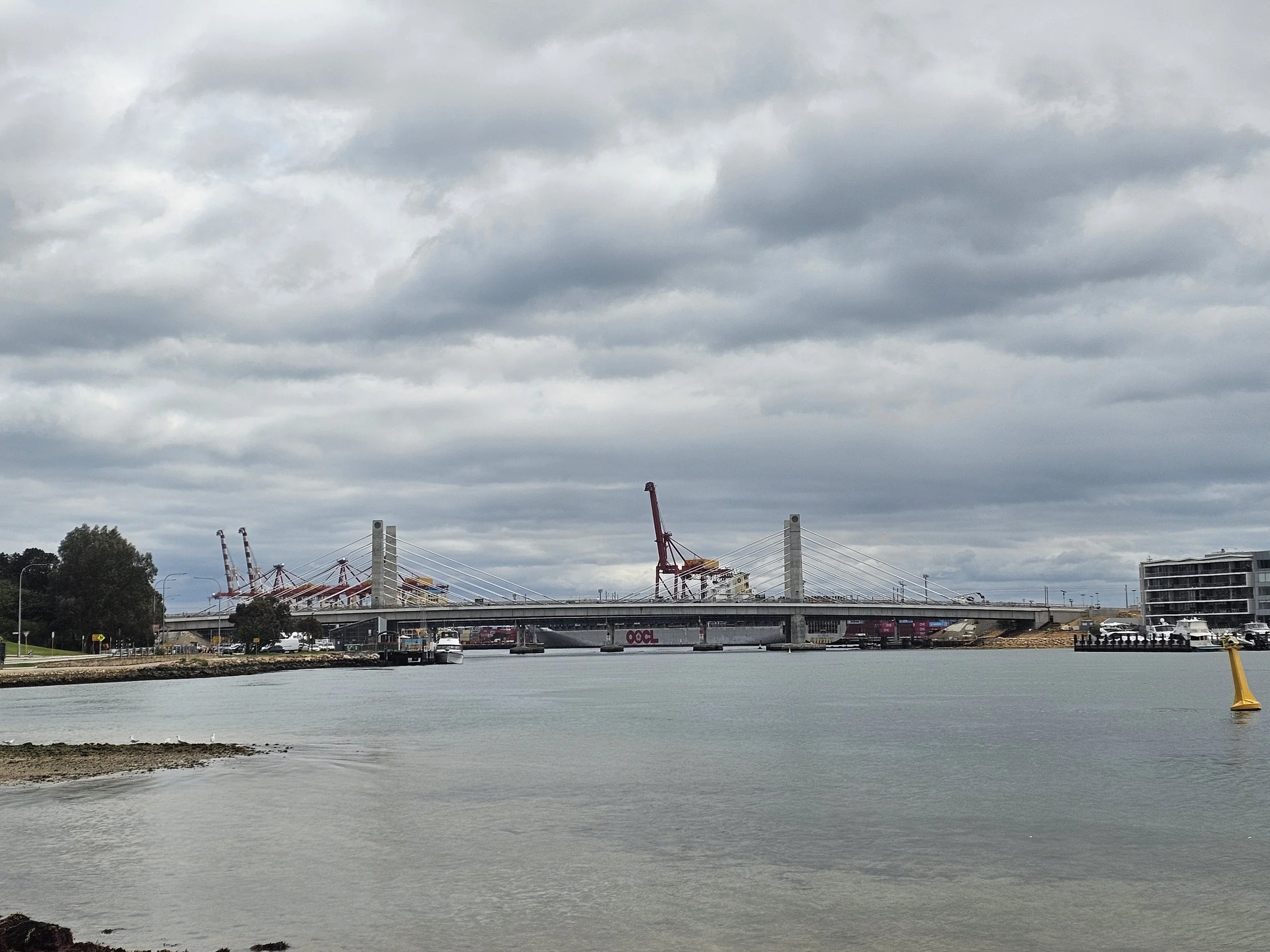
The New Fremantle Traffic Bridge Is Opening Early
The new Fremantle Traffic Bridge will open on 1 November 2026, months ahead of schedule. The new crossing will restore an important connection across the Swan River and provide welcome relief for Fremantle businesses, freight operators and the wider transport network ahead of the busy summer and Christmas trading period.
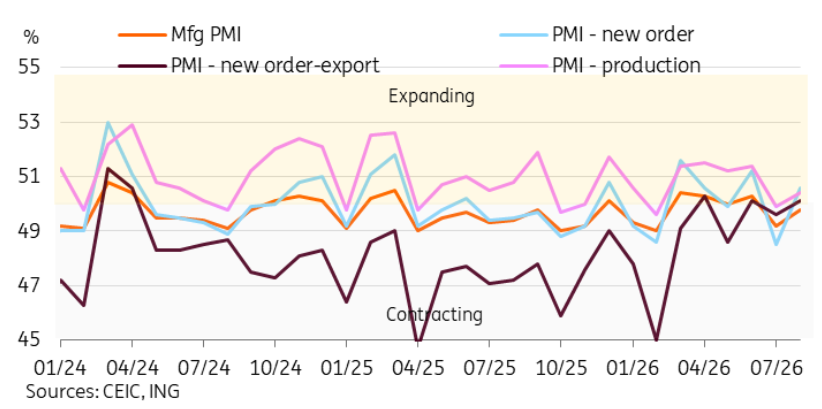
China's Manufacturing Sector Shows Signs of Improvement
China’s latest PMI data sent mixed signals in August, with manufacturing activity improving while the non-manufacturing sector remained weak. The figures point to some stabilisation in industrial activity, but with domestic demand still sluggish, a stronger recovery remains some way off.
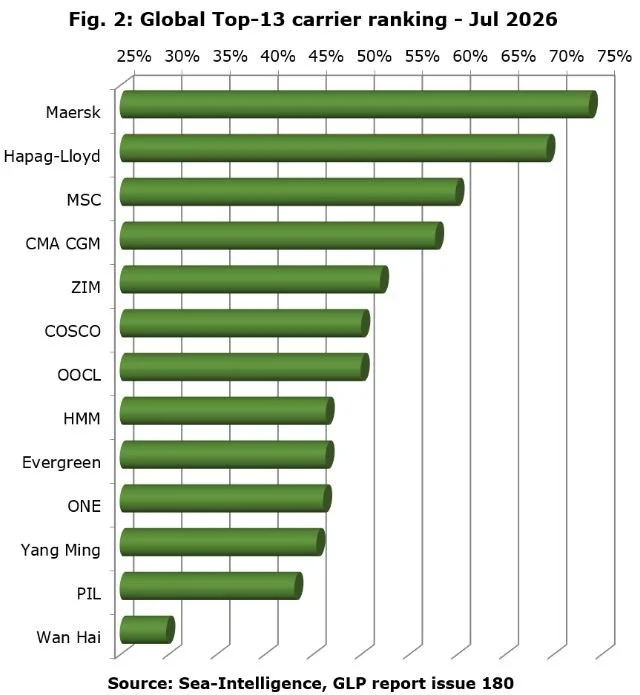
How Did the Major Shipping Lines Perform in July?
Global shipping schedule reliability fell to just 56.4% in July, its lowest level of 2026 so far. With average delays reaching more than six days, we take a look at how the major global carriers performed and where they ranked for schedule reliability.
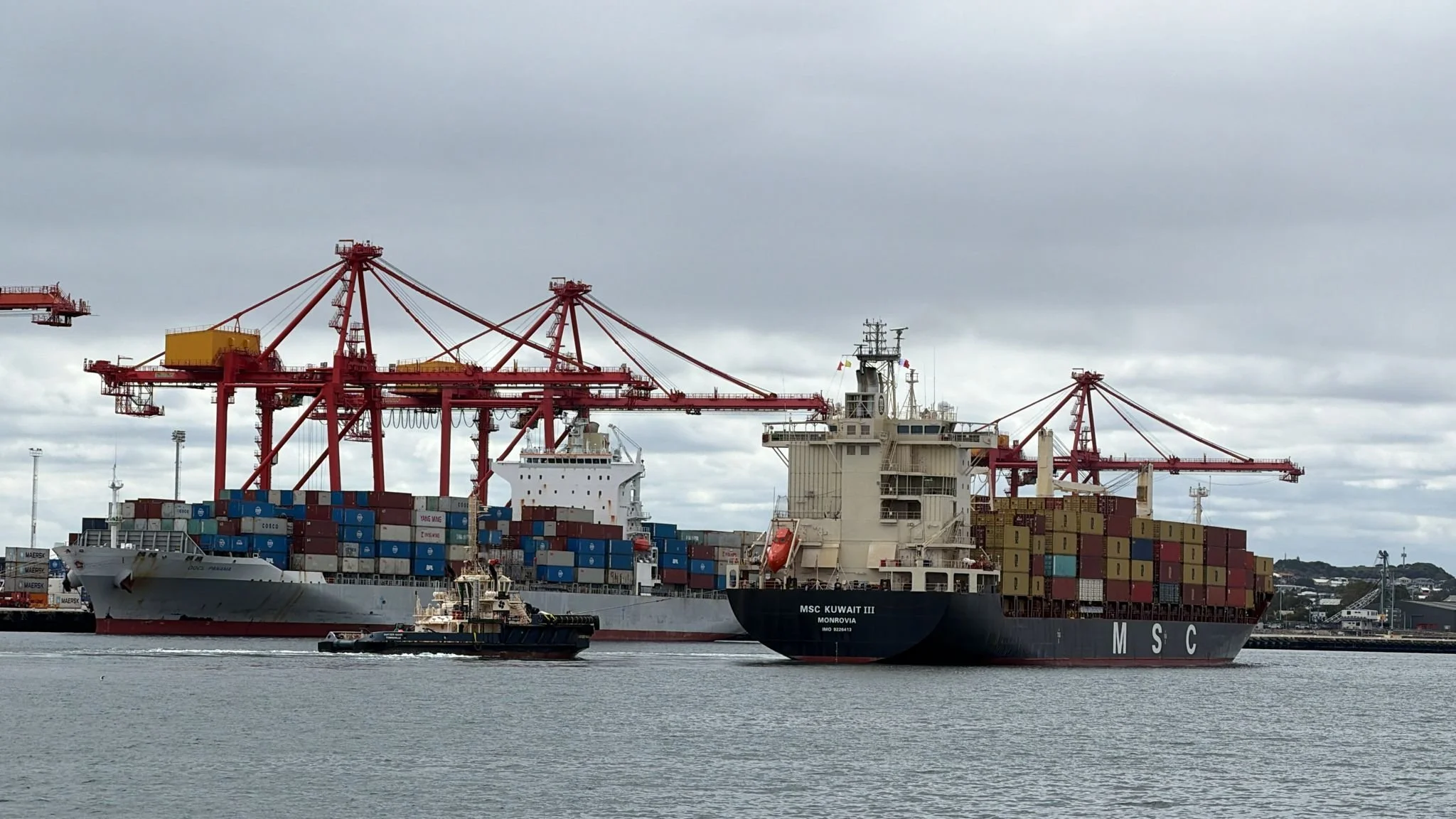
Asia Congestion Puts Pressure on Global Container Capacity
Severe congestion, repeated typhoon disruptions and ongoing diversions around the Cape of Good Hope are putting increasing pressure on global container capacity. With vessels facing lengthy berthing delays in Asia and carriers cautiously testing the Suez route, for Australian importers and exporters, the concern is how long these delays will continue to work their way through the supply chain.
Northern European Ports Face Another Round of Disruption
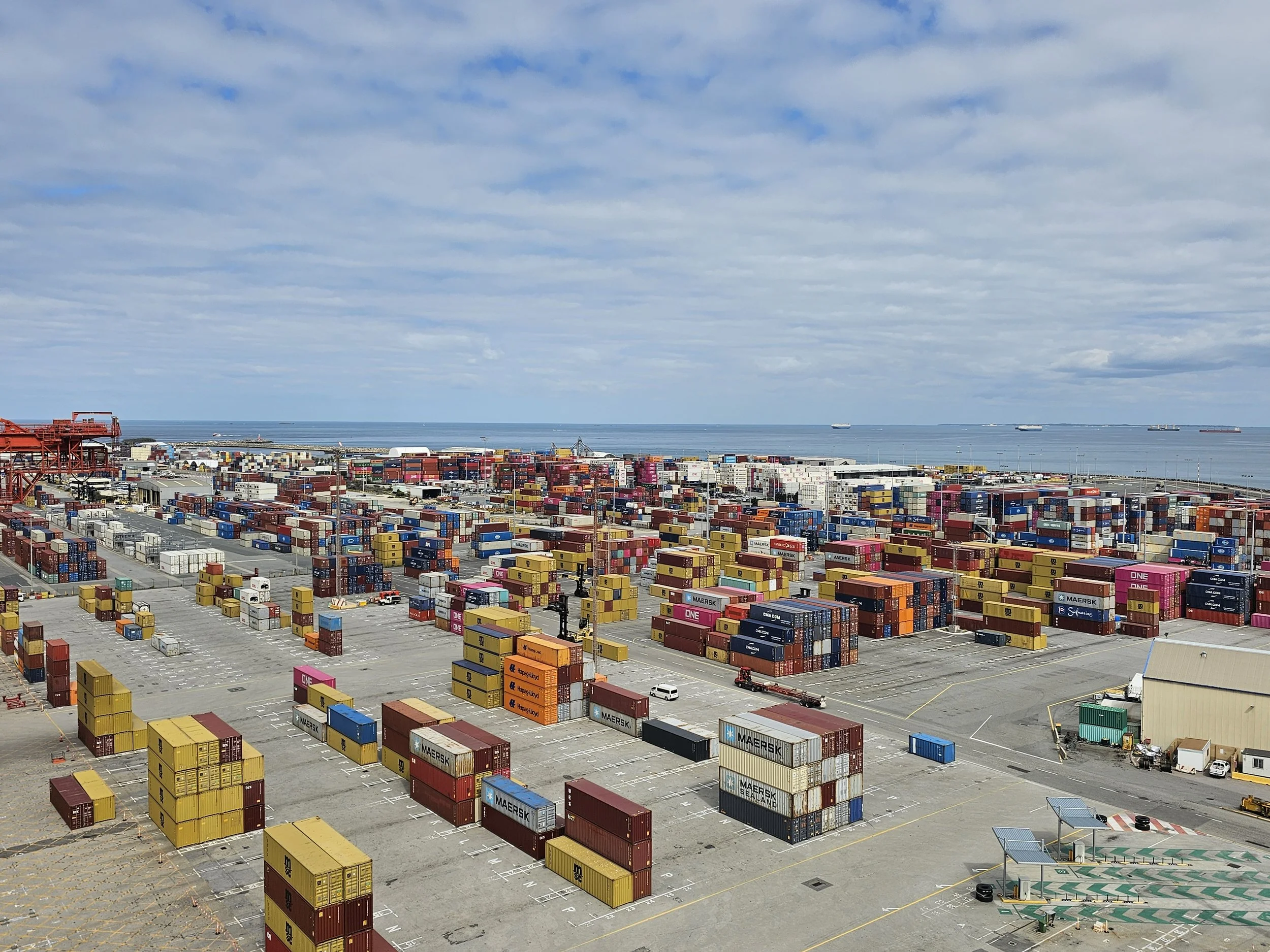
Industrial action is adding another layer of uncertainty to Northern Europe’s major ports, with strikes in Germany and the Netherlands coming at a time when congestion is already causing delays. For Australian importers and exporters, it’s another situation worth keeping an eye on.
Port Congestion Is Getting Worse .. But Who Is Responsible?
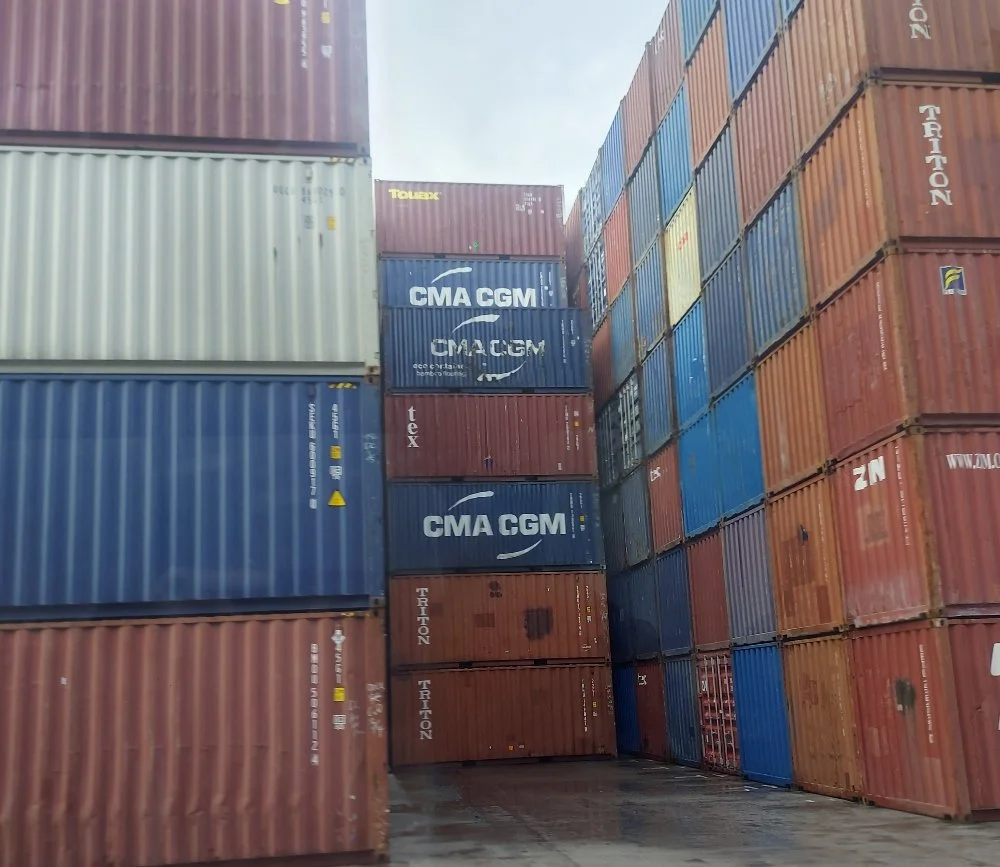
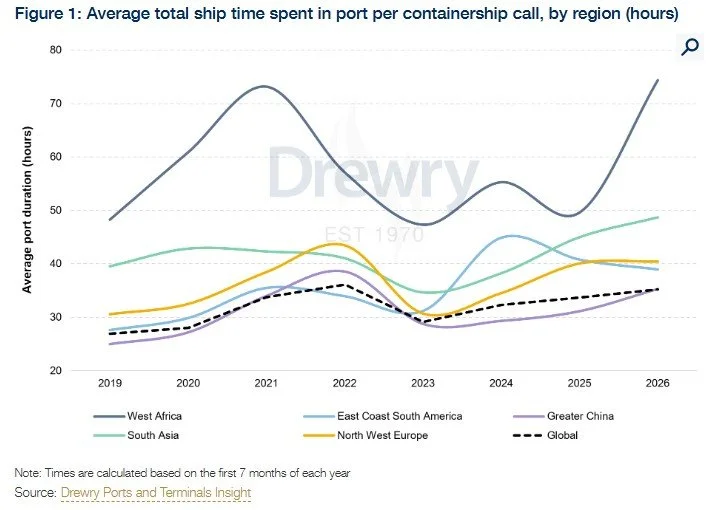
Port congestion is becoming a growing challenge for global container shipping, with vessels spending more time waiting for berths and schedule reliability continuing to fall. But is a lack of port investment really to blame? Drewry’s latest analysis points to a much more complicated picture, with weather, rising volumes, terminal utilisation, landside constraints and carrier network decisions all playing a role.
A Shake-Up at the World’s Busiest Container Ports
There’s been a shake-up among the world’s busiest container ports. Ningbo-Zhoushan has narrowly overtaken Singapore to take second place, while Jebel Ali has plunged from 10th to 32nd after a more than 59% fall in throughput. The numbers show just how quickly trade flows and port rankings can change when growth, new services and geopolitical disruption reshape global shipping networks.

BMSB Season Is Back: What Importers Need to Know
BMSB season is back. From 1 September 2026, Australia’s seasonal Brown Marmorated Stink Bug measures apply to certain goods shipped from target risk countries. For importers, getting the commodity classification, treatment and documentation right before the cargo leaves can help avoid delays and unexpected costs on arrival.
More Ships Don’t Always Mean More Space
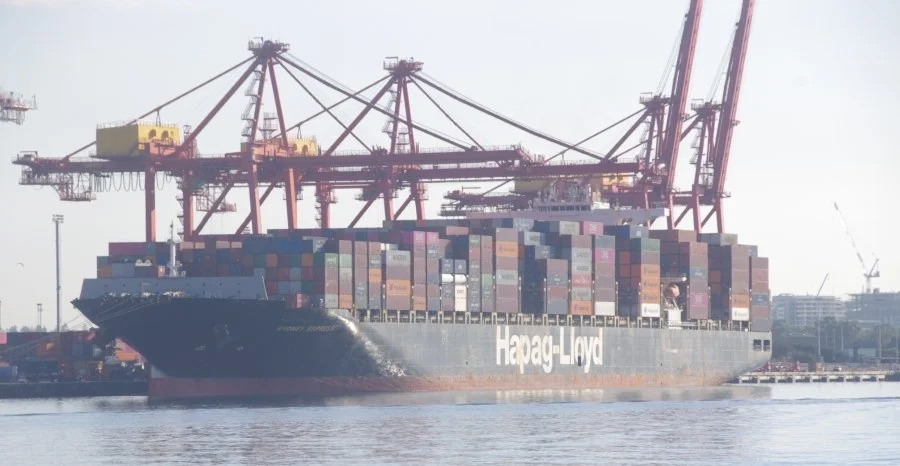
More ships don’t necessarily mean more space. Port congestion is currently tying up around 1.7 million TEU of container shipping capacity, while vessel delays continue to grow. With ships spending longer waiting at ports, a significant amount of capacity is effectively unavailable, showing why congestion and reliability remain important issues for global supply chains.

China Golden Week 2026: Why We Should Start Planning Now
China’s Golden Week is still a little way off, but for Australian businesses importing from China, now is the time to start planning. With the Mid-Autumn Festival falling just days before National Day Golden Week in 2026, shipping schedules, production and freight capacity could all come under pressure.
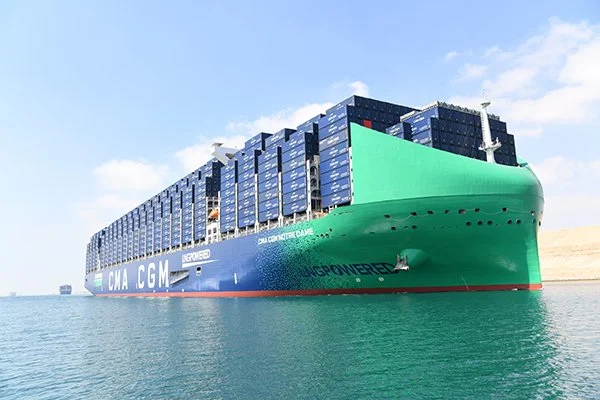
Are Ships Returning to the Suez Canal?
More containerships are beginning to return to the Suez Canal and Red Sea corridor, but shipping volumes remain well below historical levels. While the shorter route offers significant benefits in transit times and fuel costs, security remains the key consideration. For importers and exporters, the message is simple: Suez is seeing a cautious return, but it is not business as usual.