

Almost Three Months In - What We’ve Learned So Far
After decades in the freight and logistics industry, Michelle and I knew no two weeks would ever look the same, but the first few months of our new venture have reinforced just how dynamic global trade continues to be. From airfreight and LCL cargo through to full container loads moving across multiple continents, it’s been a busy start built on experience, relationships and adaptability.

New Rules Around China-Linked Cargo Are Now in Effect
China’s revised Maritime Code is now in effect, and the changes could impact importers, exporters and freight forwarders involved in cargo movements linked to Chinese ports. From liability for abandoned cargo through to dispute resolution and shipping contract terms, businesses trading with China may need to take a closer look at where risk now sits within their supply chain arrangements.
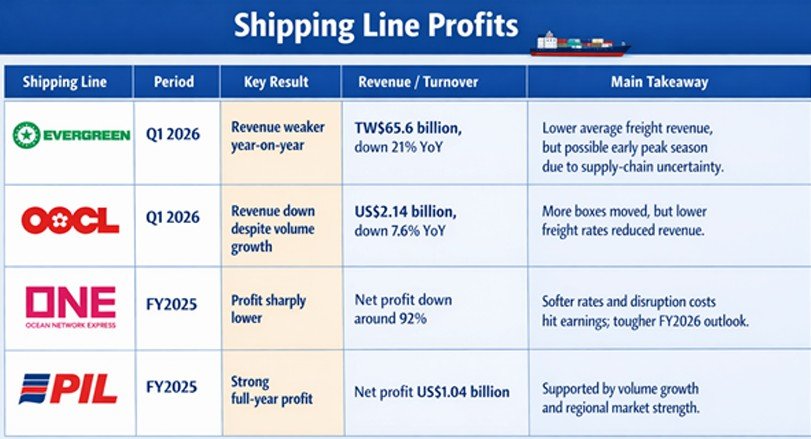
Ever Wondered How Much Money Shipping Lines Make?
Have you ever wondered how much money shipping lines actually make? The latest carrier financial results reveal a market split between billion dollar profits and sharply declining earnings, as freight rates, disruption costs and trade lane exposure reshape the container shipping industry.

Federal Budget 2026-27: What Importers and Exporters Need to Know
The 2026-27 Federal Budget included several major announcements impacting importers, exporters and international supply chains, from tariff reform and Australian Trusted Trader changes through to biosecurity, freight resilience and fuel security. We’ve broken down the key measures and what they could mean for your business in this detailed (long) read.
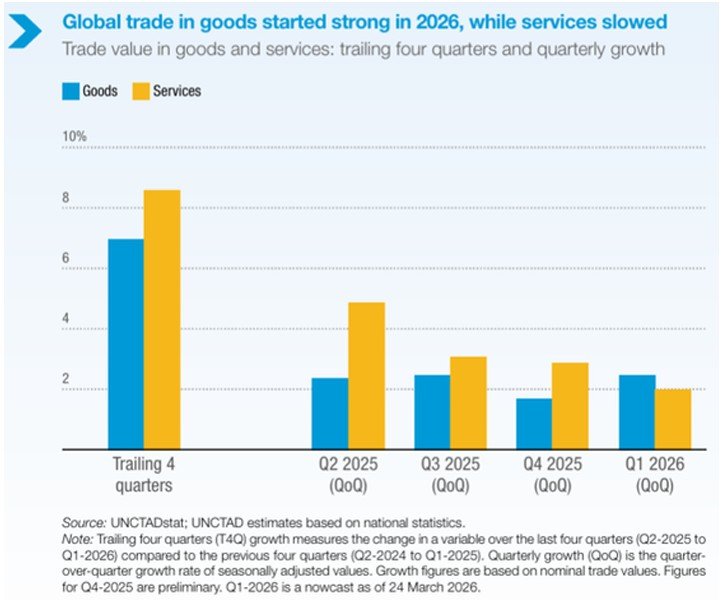
Global Trade Remains Resilient, But Pressure Is Building
Global trade remained strong into early 2026, but rising costs, geopolitical tensions and ongoing supply chain disruption are expected to slow growth through the remainder of the year. Businesses are increasingly adapting to a more fragmented and unpredictable global trade environment.
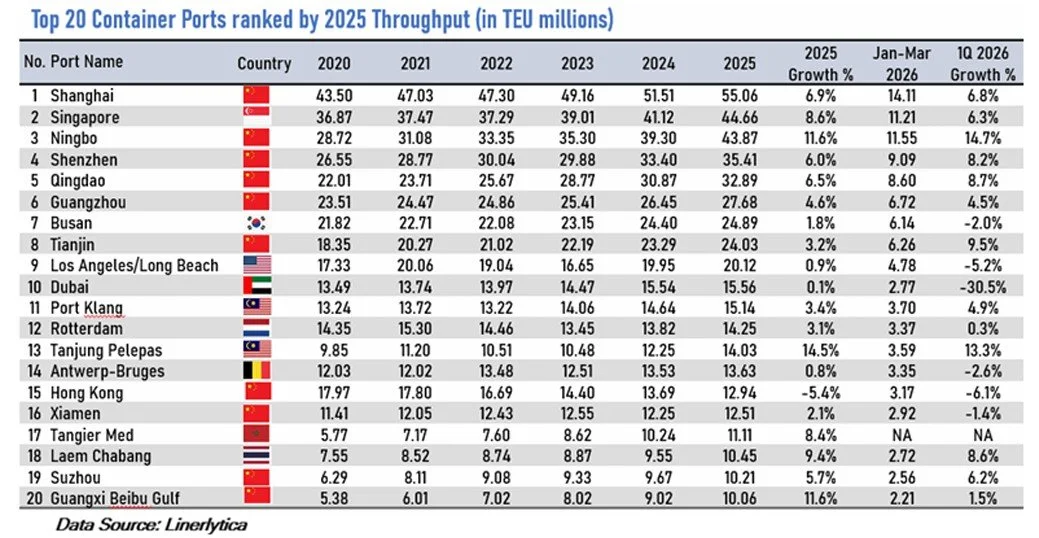
Global Container Shipping Volumes Rise Despite Middle East Disruption
Global container shipping volumes increased by 4% in the first quarter of 2026 despite ongoing Middle East disruption, highlighting the resilience of global supply chains. Chinese ports continued to drive growth, while Dubai and US ports faced declining volumes amid geopolitical and trade pressures.
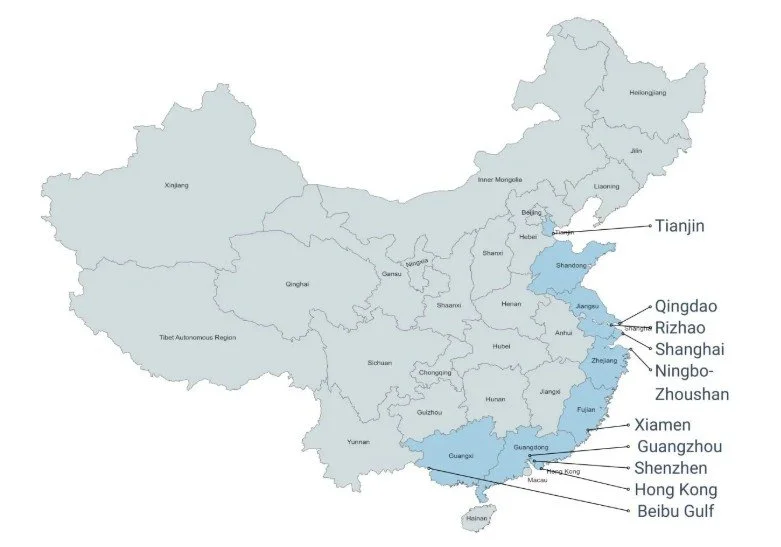
Ningbo’s Strong Growth Shows Shifting Export Trends in China
Ningbo-Zhoushan Port has started the year strongly, reporting double-digit container growth and record cargo volumes in the first quarter. But beyond the numbers, the port’s performance also highlights a broader shift in how exporters are weighing efficiency, cost and reliability when choosing between China’s major shipping gateways, particularly Ningbo and Shanghai.
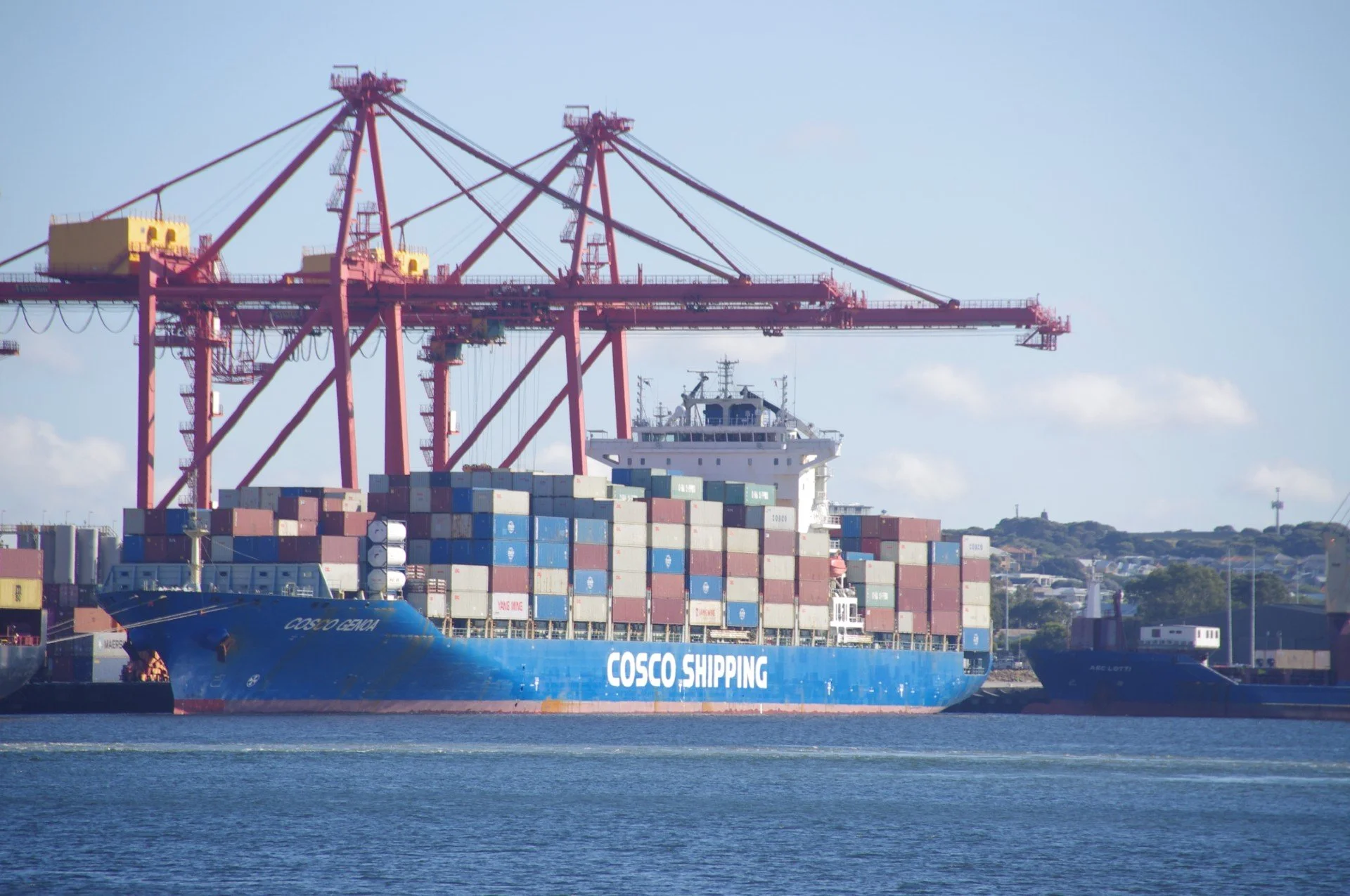
Fremantle Ports Records Solid March Trade Volumes Across Containers, Rail and Vehicle Imports
Fremantle Ports recorded solid trade growth in March 2026, with container volumes rising 14% year-on-year to 79,128 TEU. Export activity remained a key driver, while rail movements, vehicle imports and breakbulk cargo also showed continued resilience across Western Australia’s supply chain sector.
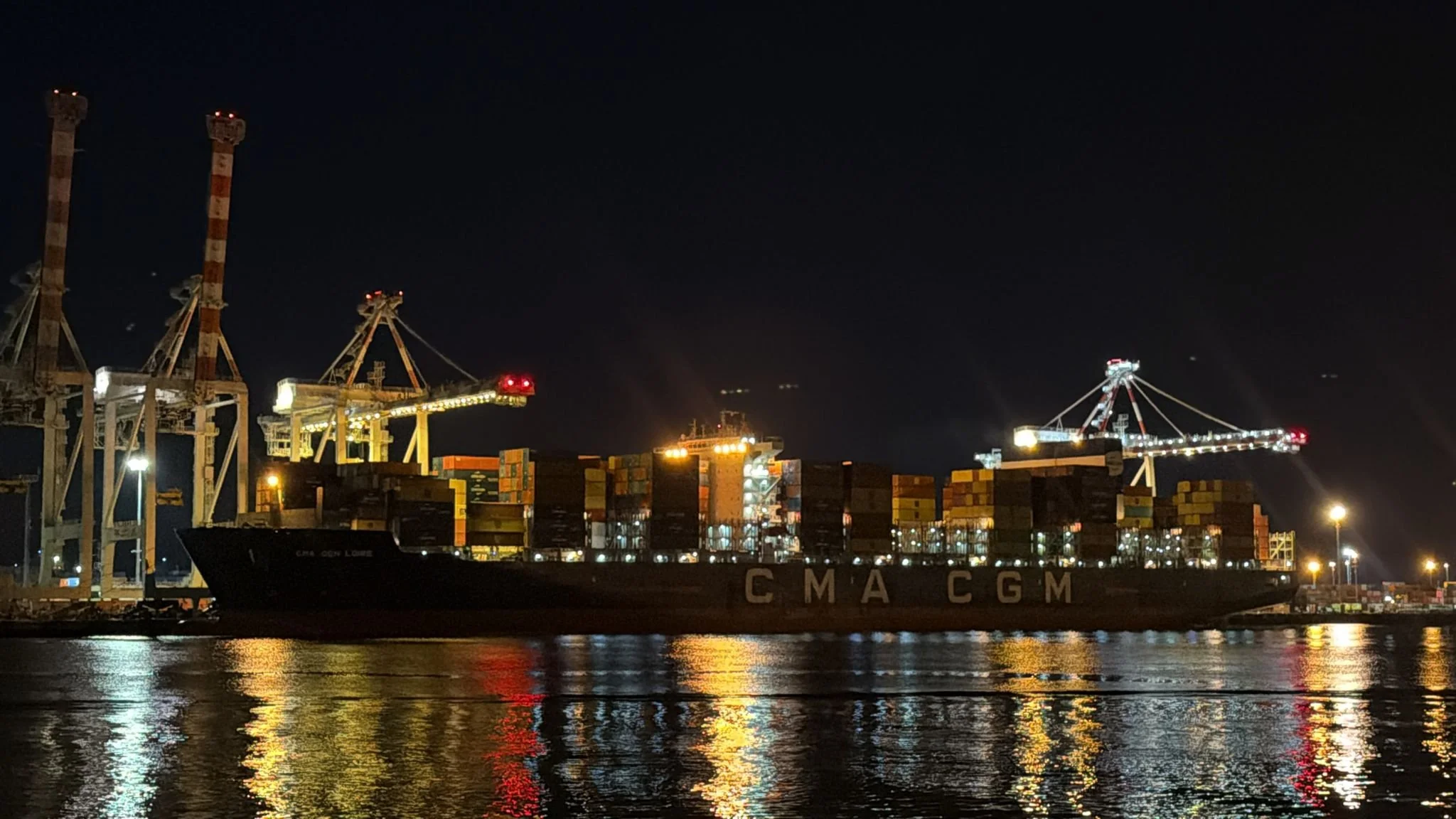
Daily Cargo News - The Bradfield Bulletin
Container spot rates may have softened in recent weeks, but the industry is already warning against chasing the market too aggressively as peak season approaches. This week also saw Drewry’s WCI edge back up, fresh surcharges linked to Strait of Hormuz tensions, and growing discussion around the future possibility of nuclear-powered commercial shipping.

Airfreight Rates Begin to Ease as Capacity Returns
Global air cargo spot rates surged 30% year-on-year in April amid ongoing capacity disruptions linked to conflict in the Middle East. With capacity now returning to key trade routes, analysts expect rates to begin easing in the weeks ahead, offering some relief for shippers navigating a volatile airfreight market.

End of the 2025-26 BMSB Risk Season: What It Means for Importers and Supply Chains
The 2025-26 Brown Marmorated Stink Bug (BMSB) risk season has officially ended as of 1 May 2026, easing seasonal biosecurity requirements for newly shipped cargo. However, goods shipped before this date from target risk countries remain subject to BMSB measures, making it critical for importers and logistics providers to stay vigilant and ensure ongoing compliance with Australia’s strict biosecurity standards.
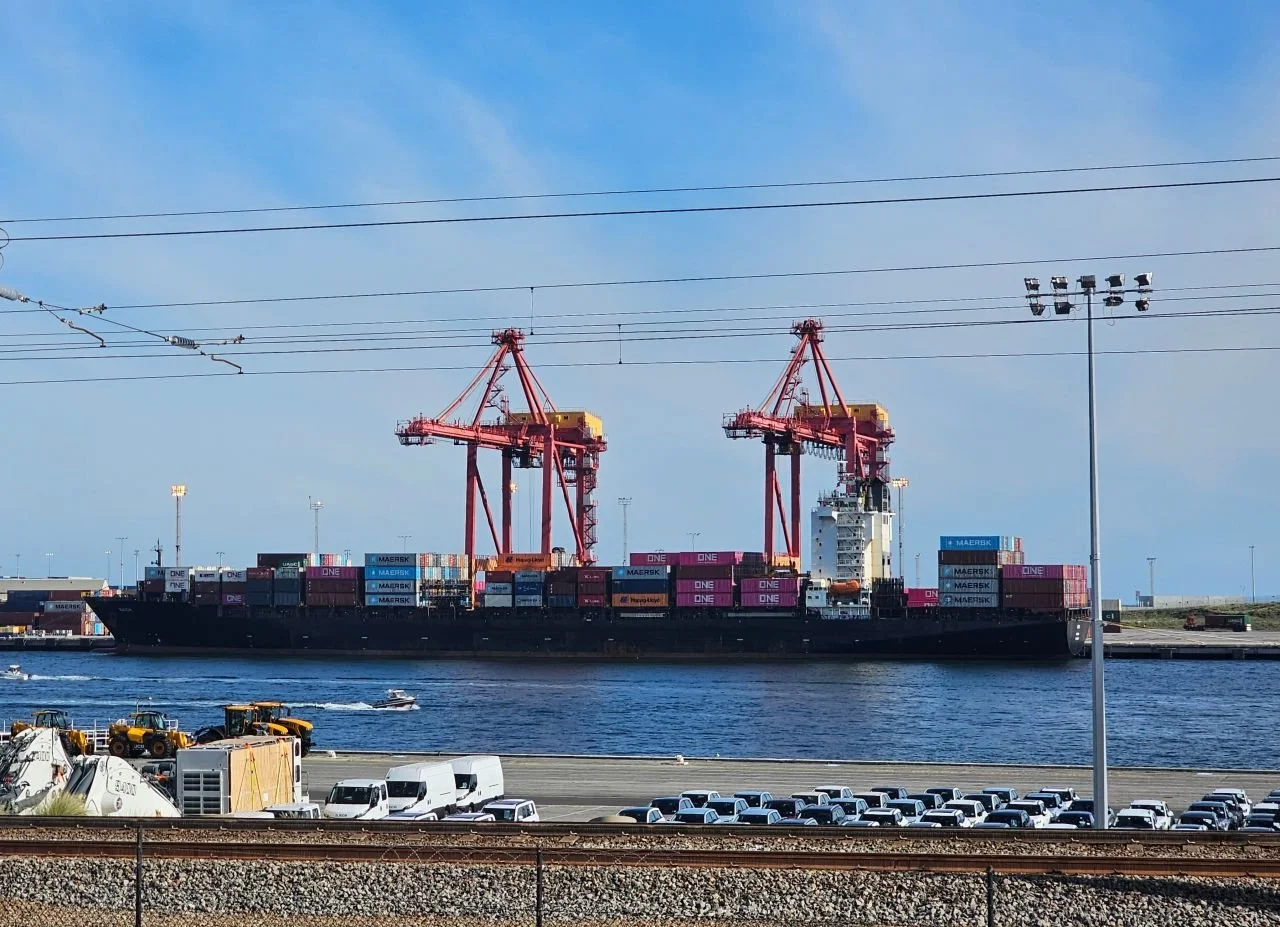
Daily Cargo News - The Bradfield Bulletin
It may have been a shortened week, but global shipping activity remained busy. Debate at the International Maritime Organisation continues to intensify around the Net Zero Framework, while ongoing Middle East tensions have seen TT Club extend war risk cover amid continued uncertainty. At the same time, global spot rates have declined for a third straight week, with some tightening in capacity also felt on the China-Australia trade ahead of Labor Day.

Preparing for May Day: Key Supply Chain Impacts
With China’s May Day holiday approaching, businesses should prepare for supply chain delays, capacity constraints, and documentation deadlines to keep cargo moving smoothly.
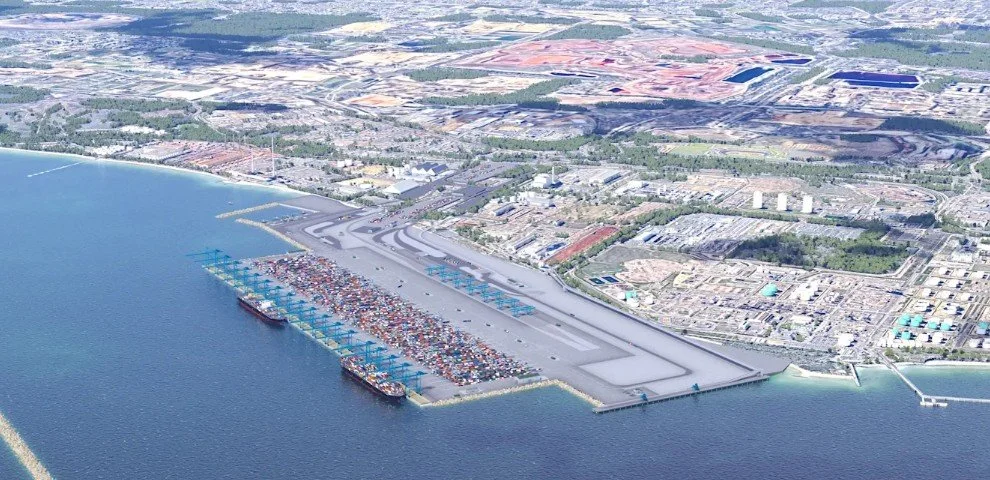
Westport Moves Forward with $1.1 Billion Commitment
A $1.1 billion commitment to Westport marks a major step forward for WA’s future supply chain, with critical upgrades to Anketell Road set to unlock freight efficiency, reduce congestion, and support long-term trade growth.

Chain of Responsibility in Western Australia: 10 Years On
Chain of Responsibility (CoR) laws in Western Australia have reshaped transport compliance and road safety. Learn how CoR impacts the logistics supply chain in 2026.
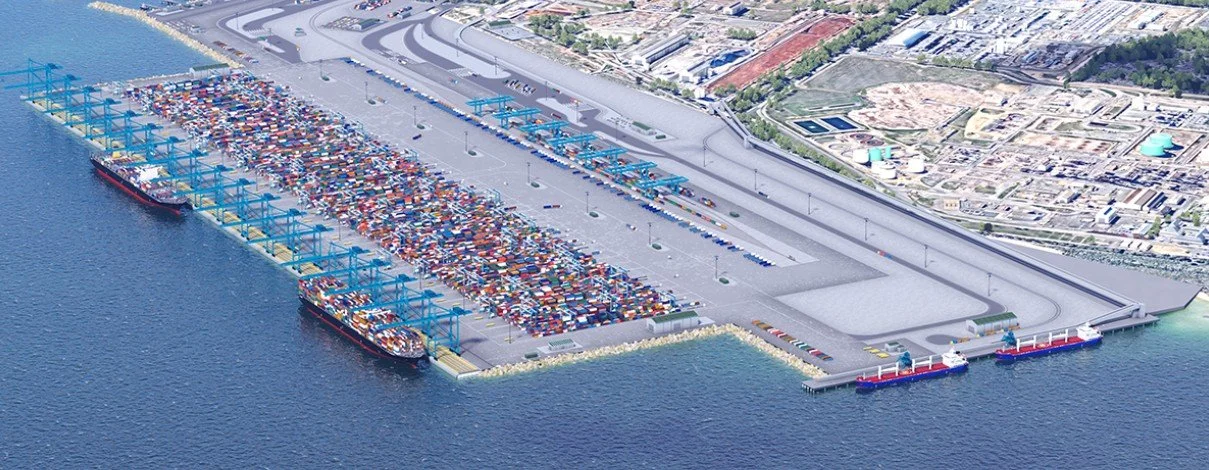
What is Westport and why does it matter?
Western Australia is moving ahead with Westport, the new container port planned for Kwinana that will eventually take over from Fremantle Port as the state’s primary trade gateway. With capacity constraints looming and freight volumes continuing to grow, the project marks a long term shift in how container cargo will move in and out of WA, with road, rail and port infrastructure being designed as one connected system.
Daily Cargo News - The Bradfield Bulletin
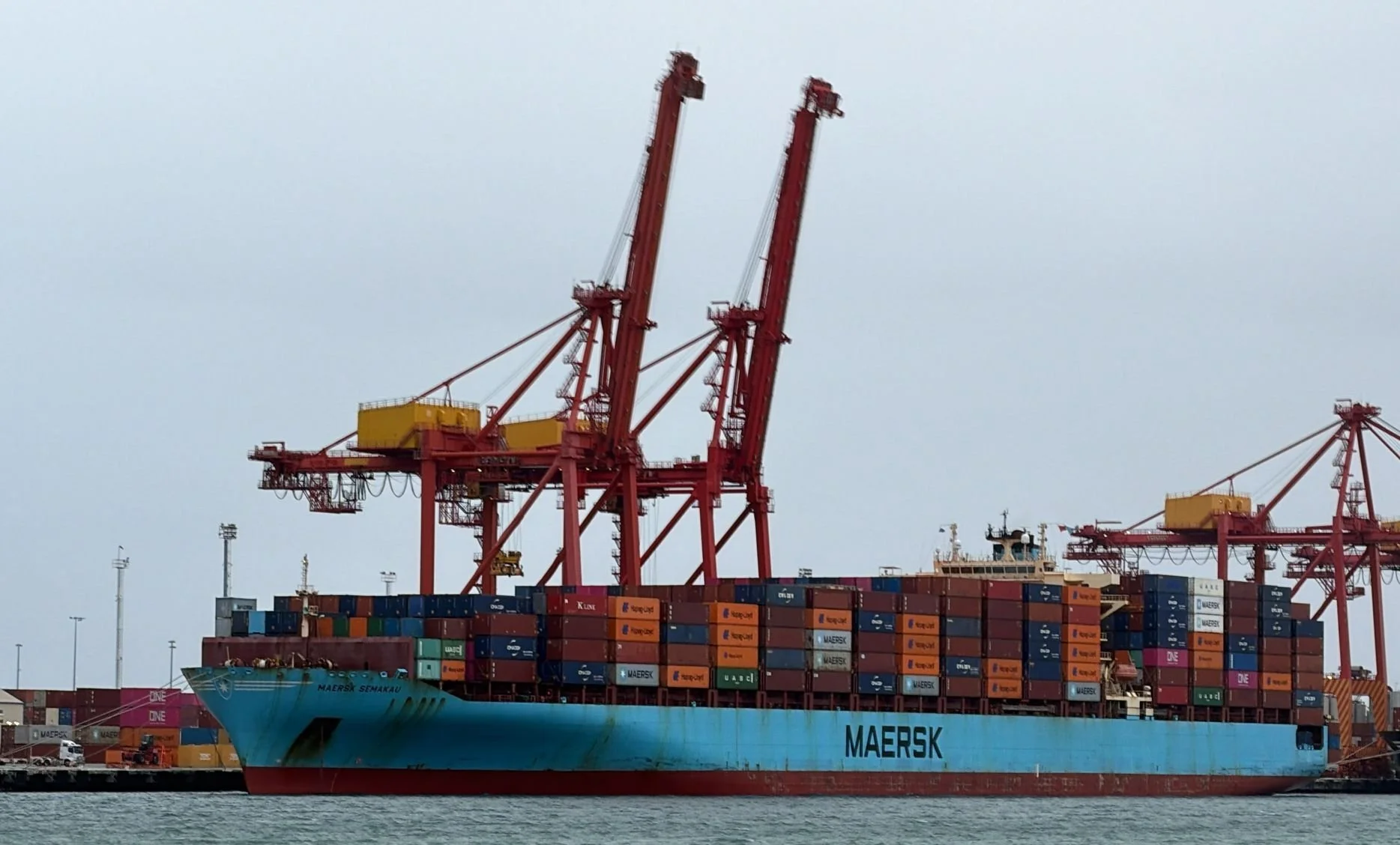
From escalating tensions in the Middle East to mounting pressure on some of the world’s busiest shipping lanes, the pace hasn’t let up. With over 100,000 vessel transits through the Strait of Malacca and renewed discussion around transit fees in the Strait of Hormuz, the spotlight is firmly back on global choke points. At the same time, shifts in U.S. trade policy are driving a surge in refund claims, adding yet another layer of complexity to an already strained global supply chain.
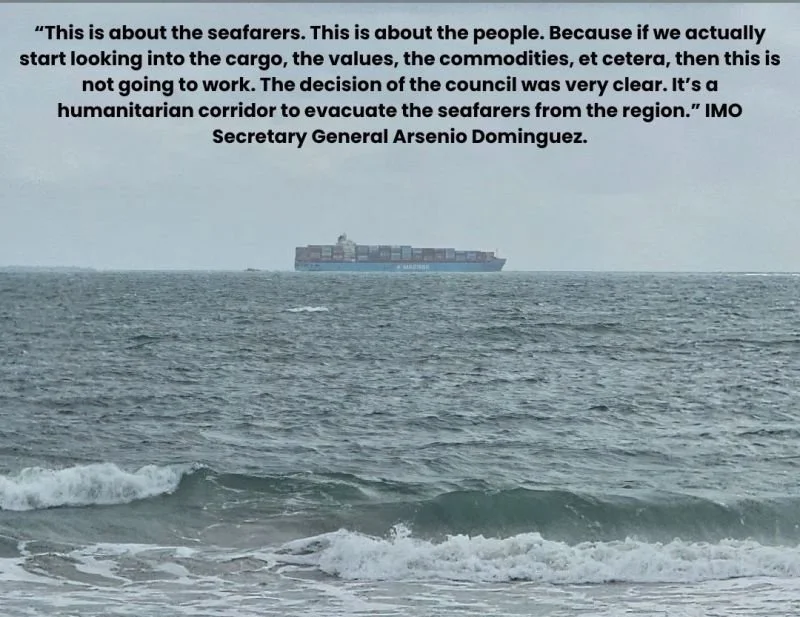
Caught in the Middle: Shipping and Seafarers in the Hormuz Escalation
Two MSC container vessels have been seized by Iran’s IRGC in separate incidents near the Strait of Hormuz, marking a sharp escalation in regional tensions. As hundreds of ships remain stranded, the focus is shifting from cargo to the safety and evacuation of seafarers caught in an increasingly volatile corridor.

Biosecurity Clearance Delays in Australia: What Importers Need to Know
With increased pressure on biosecurity clearance in Australia, importers must focus on documentation accuracy and inspection readiness to minimise delays and keep supply chains moving efficiently.
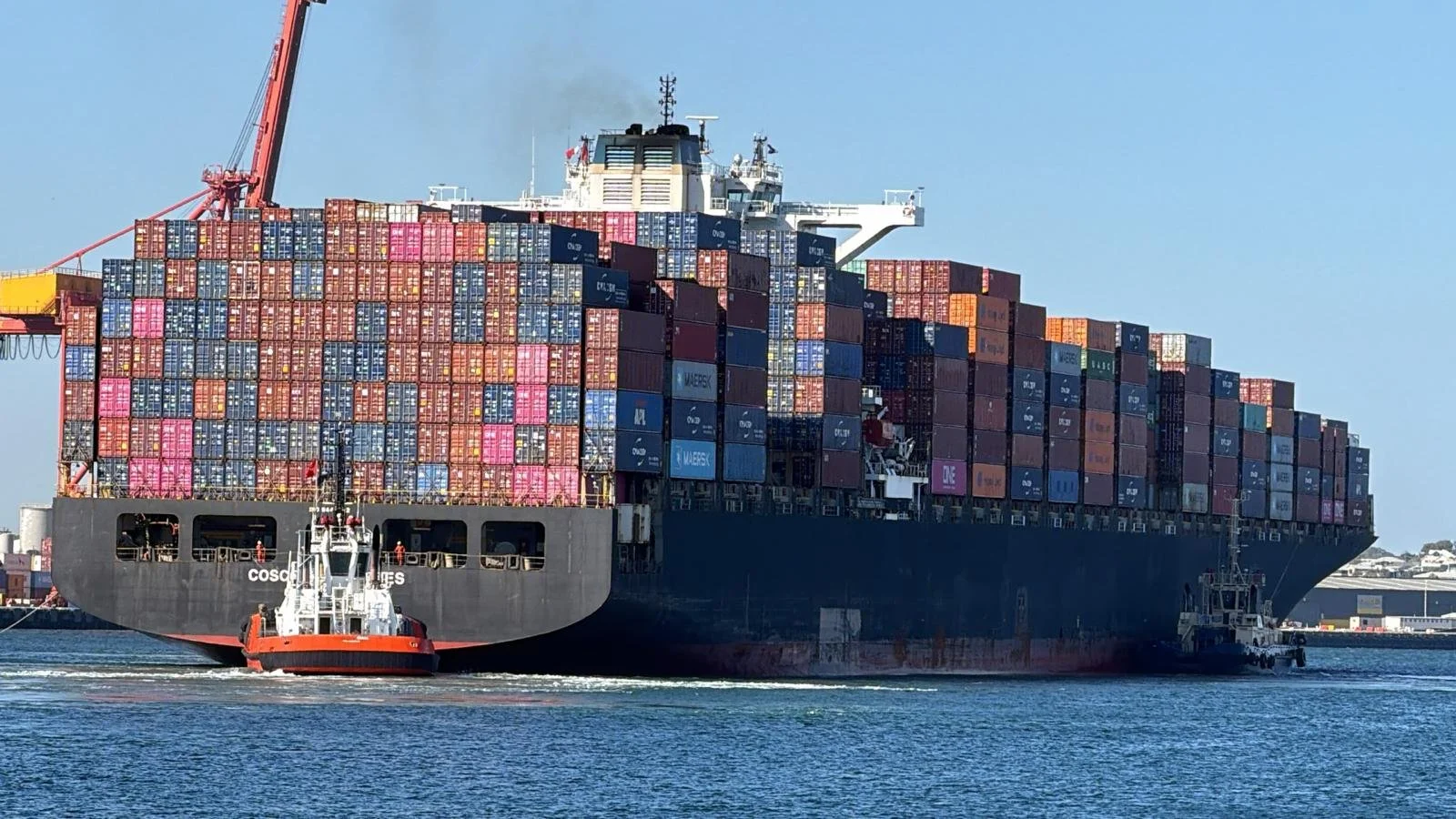
Australia, Containers and a Changing Global Shipping Landscape
Global shipping disruptions have reshaped how containers move around the world, and Australia isn’t immune. From import imbalances to growing domestic demand, container availability is becoming a more complex challenge for local businesses.